

27.05.2023 - 22.07.2023
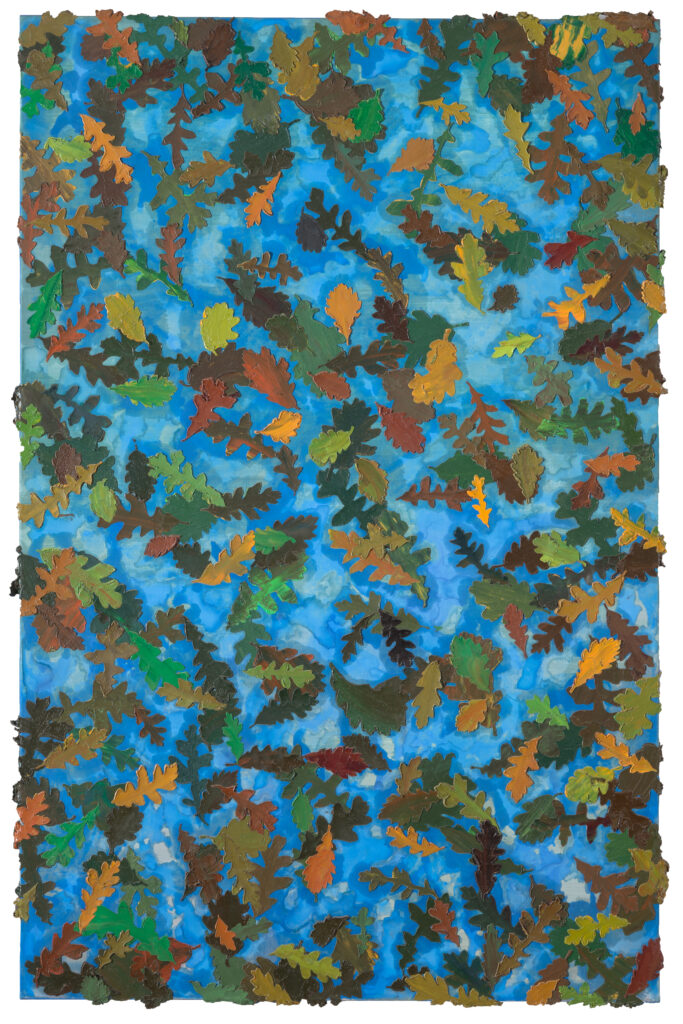
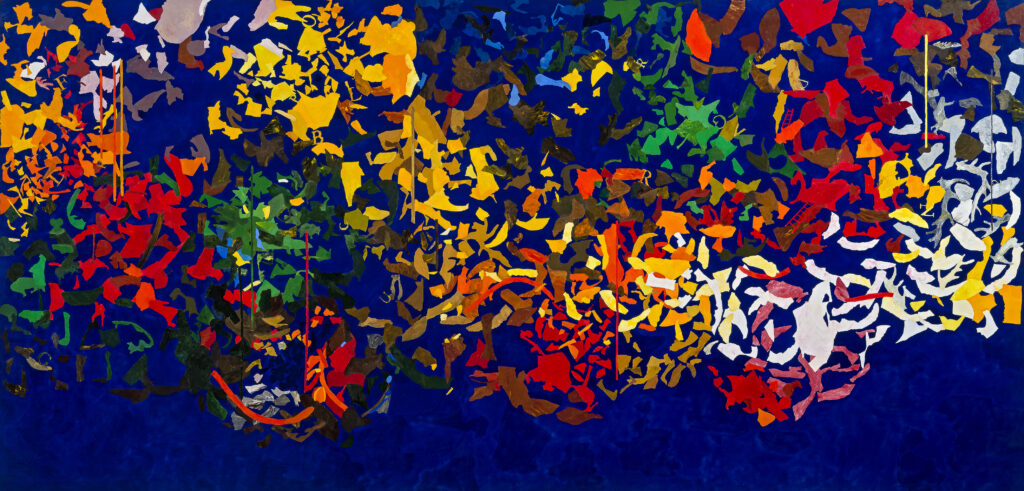
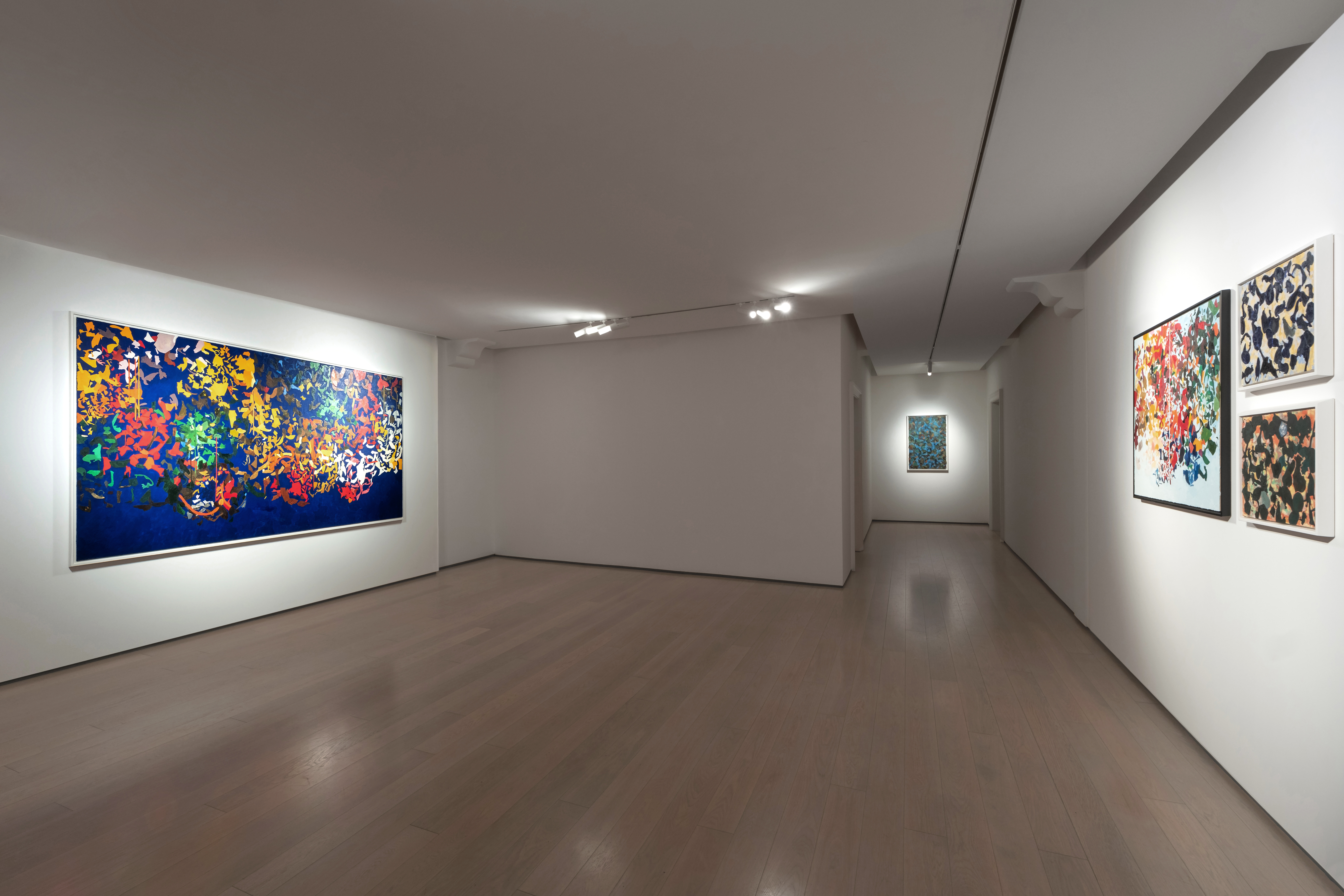
With the title Percorsi, a selection of works by contemporary authors is presented at the Galleria dello Scudo, chosen to document the different directions of expressive research from the 1970s to the most recent results. The exhibition opening with a room dedicated to Giuseppe Gallo, dominated by the large painting Mediterraneo executed in 2021, vibrant in the constellation of polychrome inserts against the ultramarine blue background. Alongside it are smaller paintings, in which the artist re-proposes the peculiar repertoire of images and figurative ideas.
Nunzio's sculpture, Secco from 1987, in burnt wood with applications of red pigment and lead, is a rare testimony of his language in the decade marked by important awards, such as the award for best young artist in 1986 at the LXII Venice Biennale .
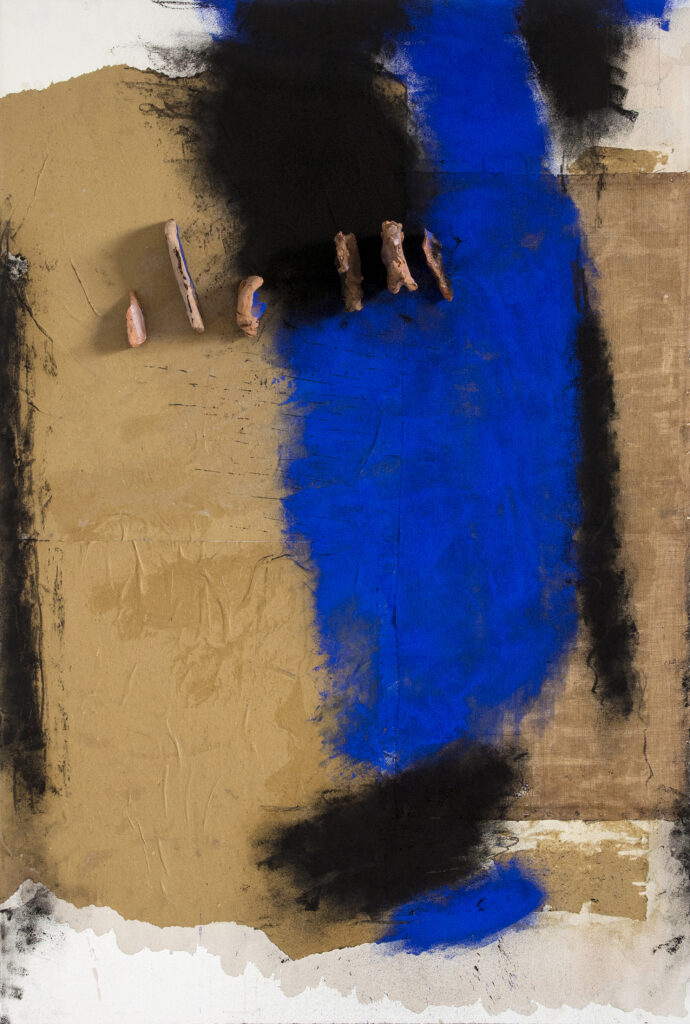
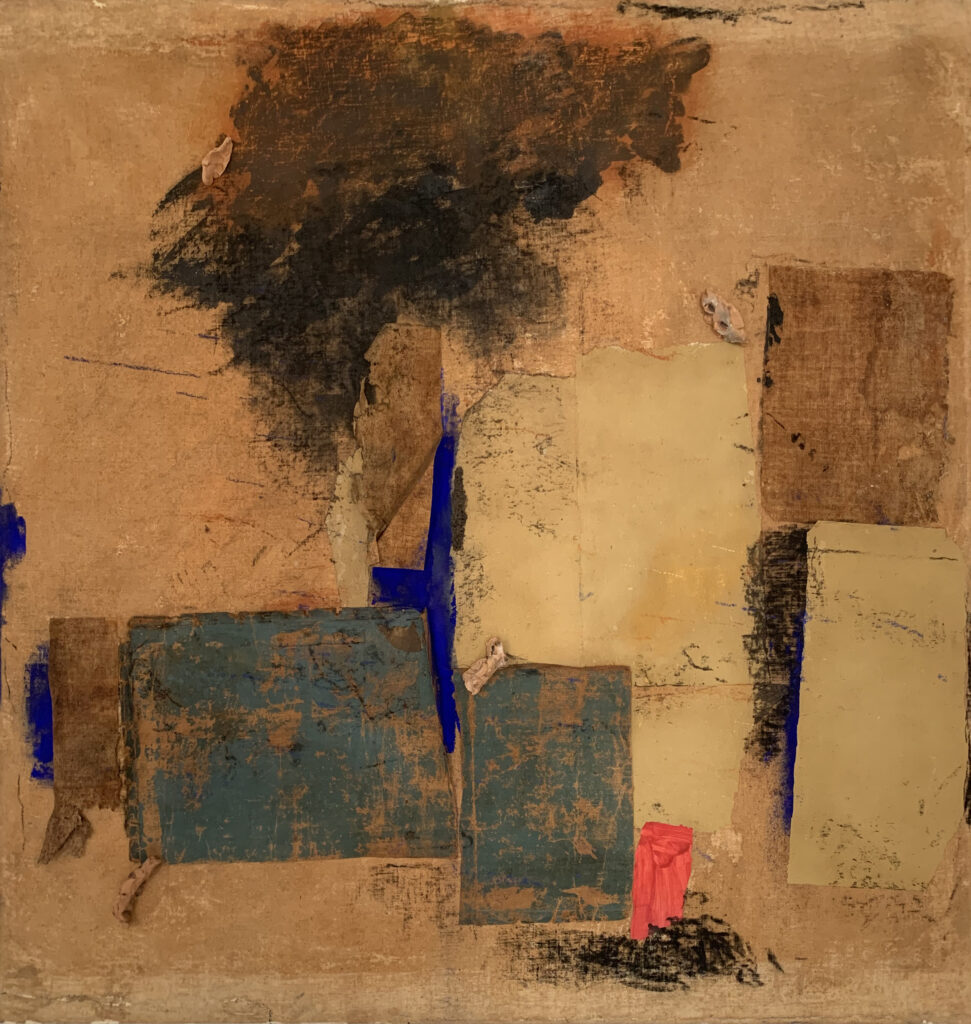
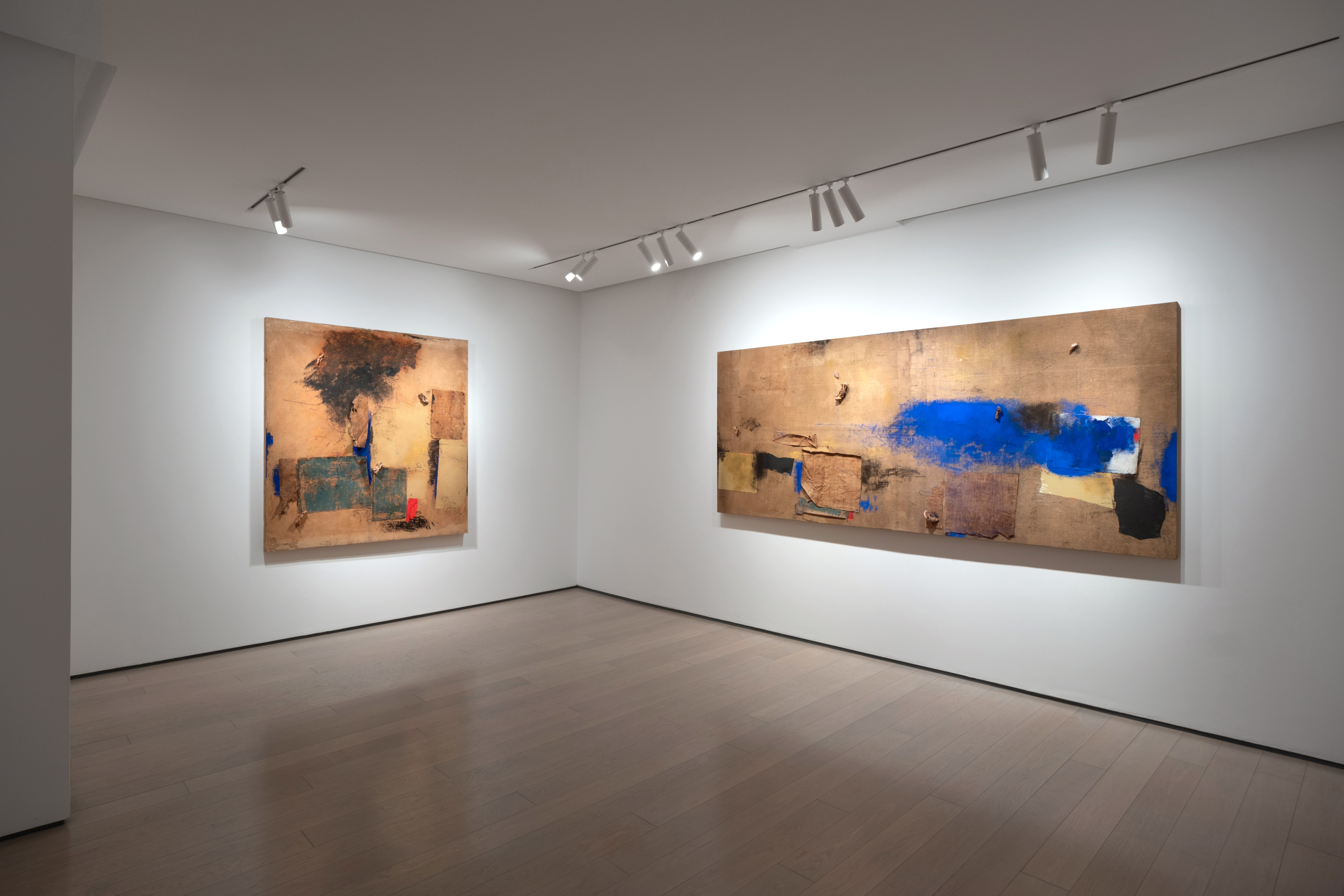
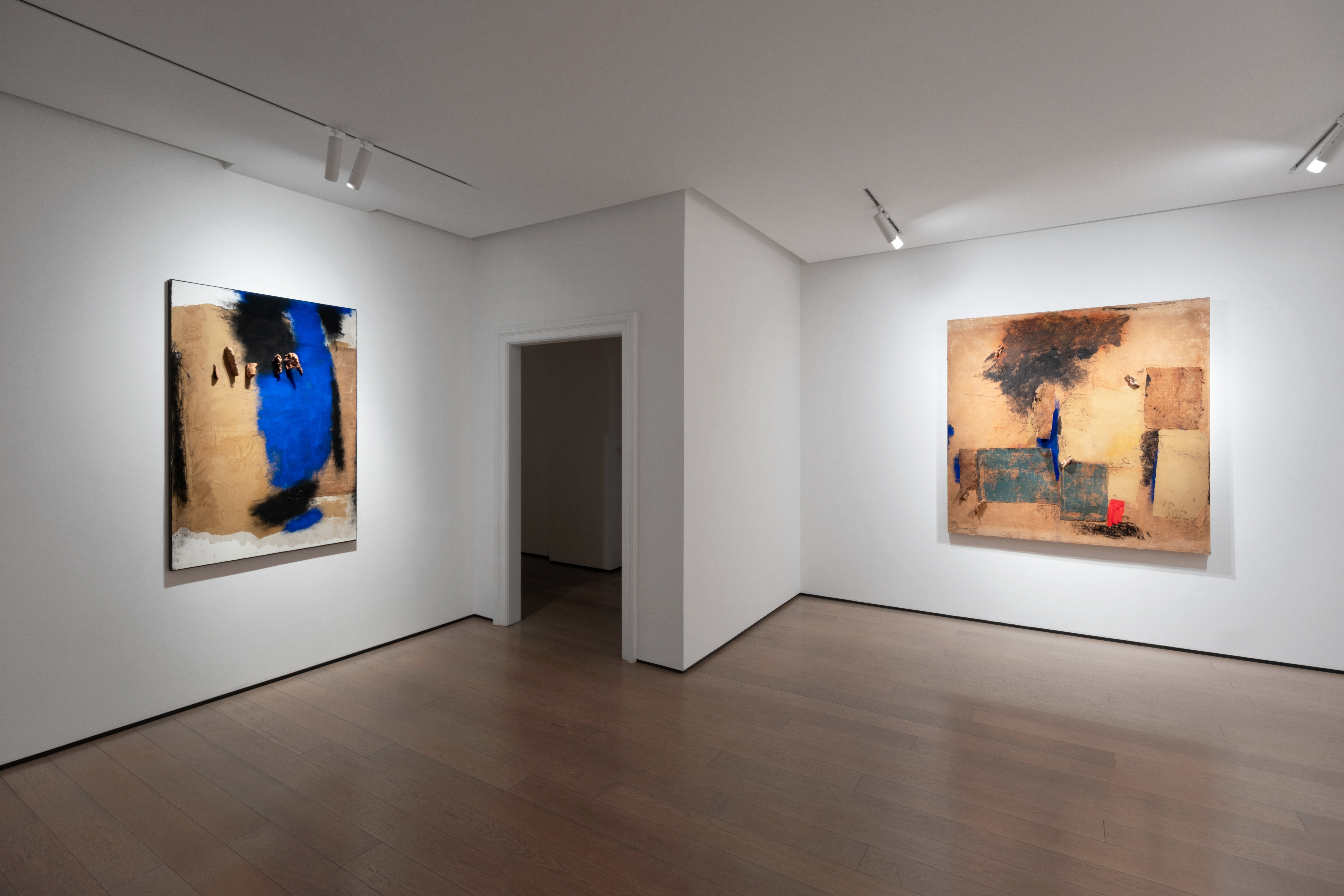
The large canvases by Marco Gastini, executed between 2017 and 2018, are a tribute to the Turin master to whom the Galleria dello Scudo has dedicated two solo exhibitions in the past. Inserts in terracotta, applications of fabrics and papers with layers of Egyptian blue, attest to the artist's constant interest in unpublished materials and assemblages.
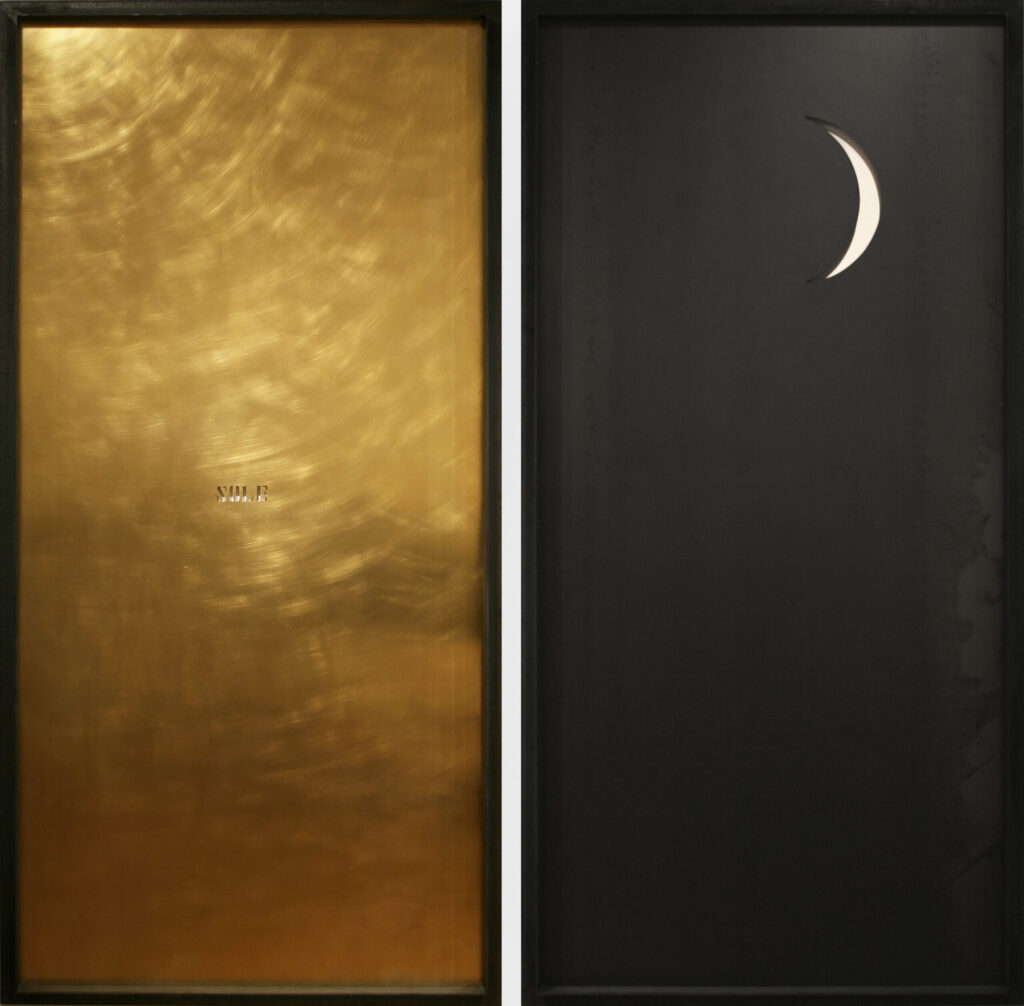
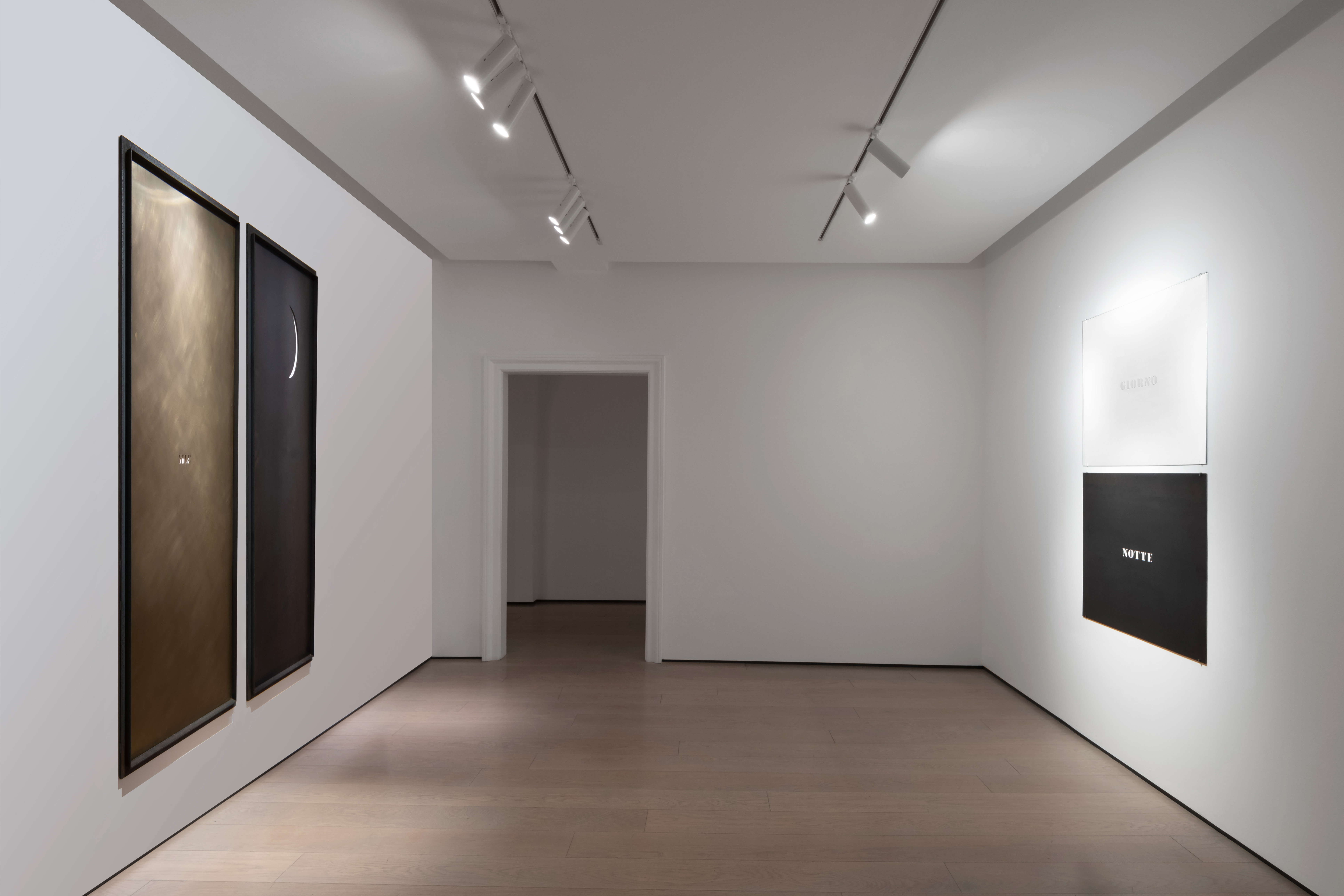
By Eliseo Mattiacci, one of the few contemporary sculptors always active in a constant dialogue with the elements of the universe and the forces that govern it, two works from 1976 have been selected, Sole e luna (Sun and Moon) and Notte e giorno (Day and Night). The conceptual vein that inspires his first phase comes from a reflection on the passage of time and from the suggestions that the alternation of light and darkness, light and dark can generate in the imagination of a man of our time.
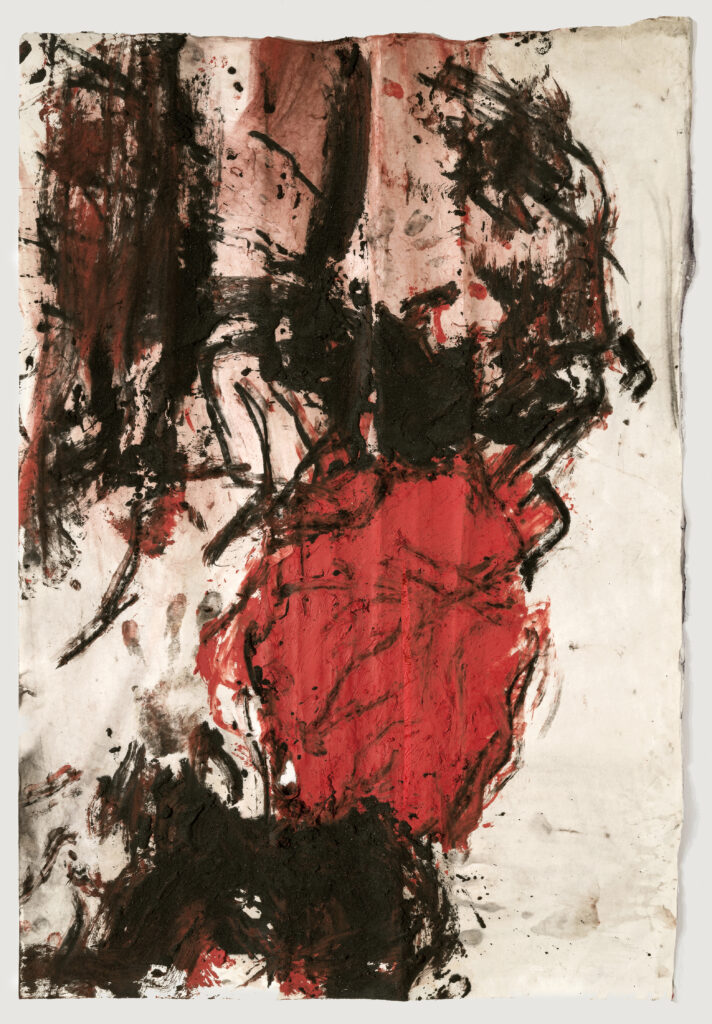
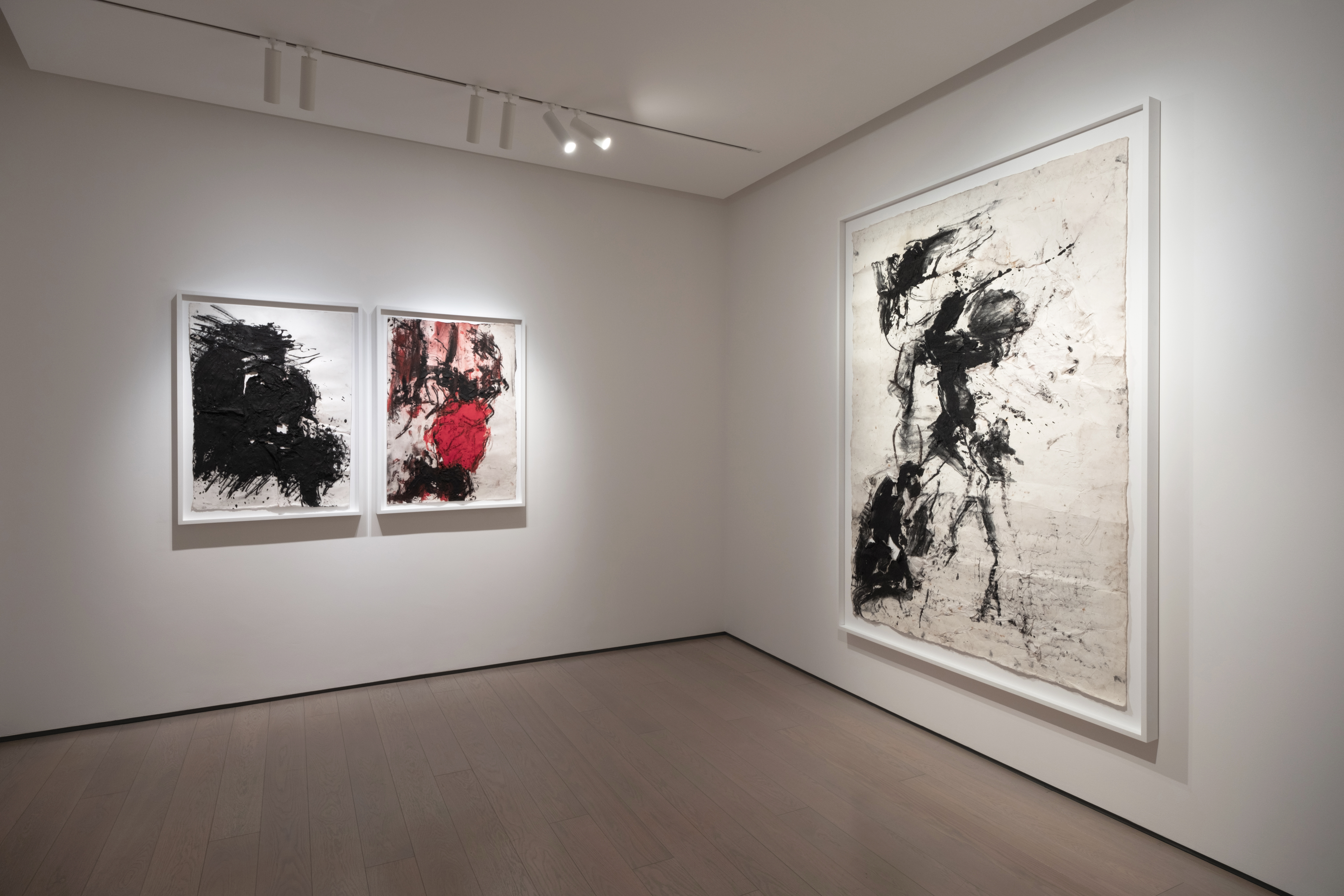
The strong personality of Giuseppe Spagnulo is represented here by some painted, or rather "sculpted" works on paper. Sands of volcanic origin, iron oxides, coal, amalgamate in impulses and shots often enhanced by cadmium red, ready to tear apart the integrity of the violated, perforated, torn surfaces, in which it is evident how the formative action of the artist has reached “the intensity of a panic and shamanic liturgy” (Bruno Corà).
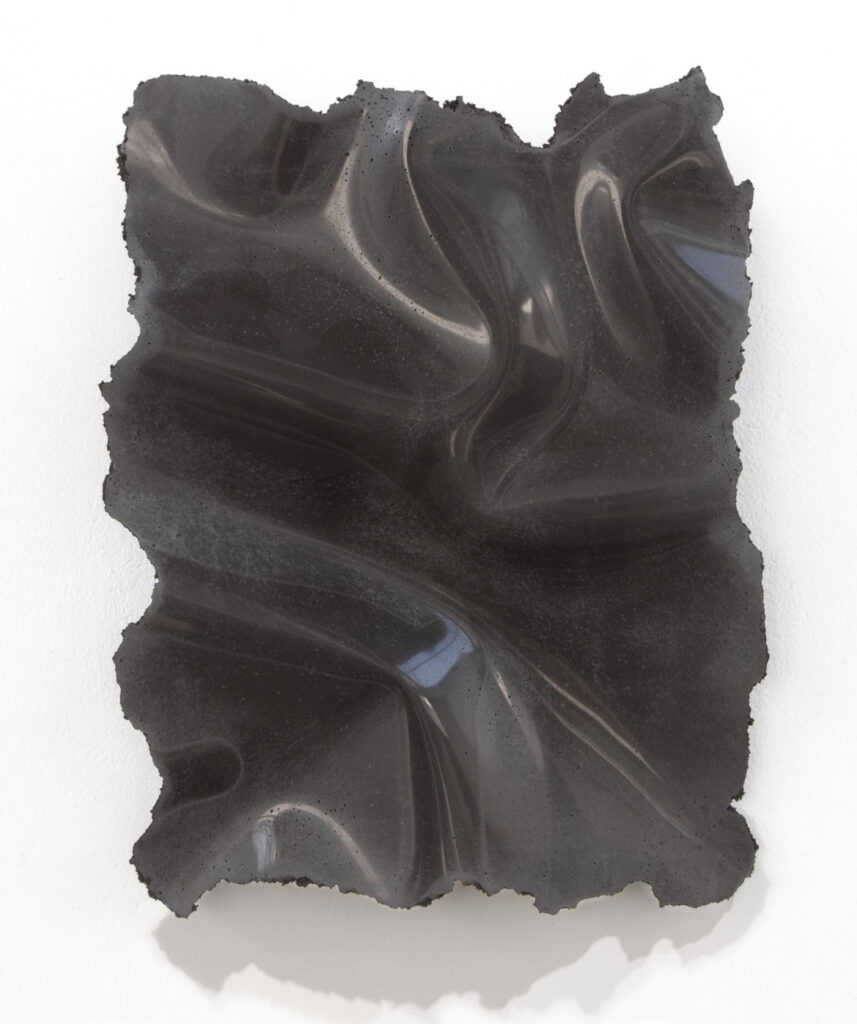
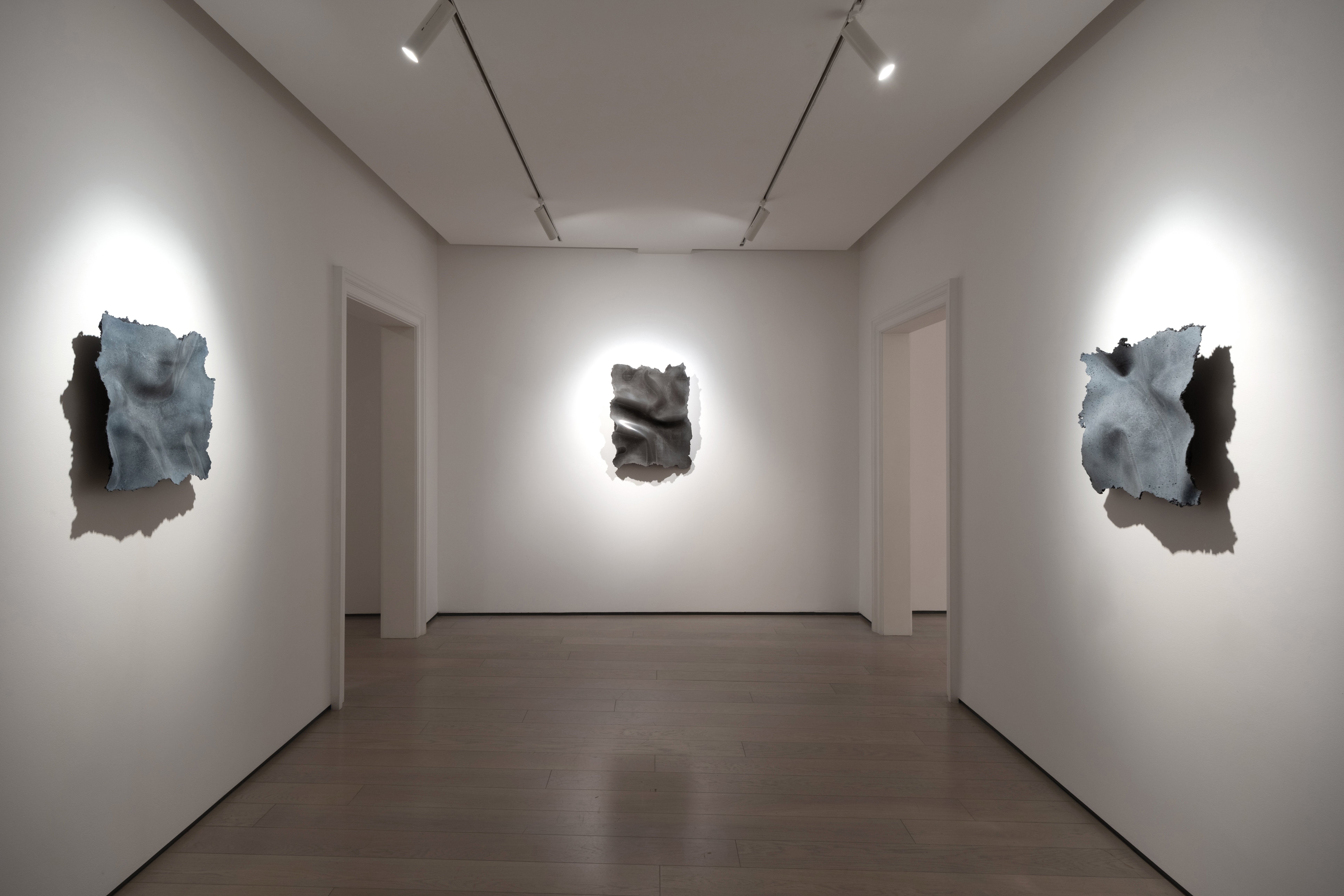
The multifaceted commitment with which Arcangelo Sassolino confronts the latent energies of matter, in redefining the multiple modes of interaction between mechanical systems and physical forces such as speed, pressure, gravity and tension, is now documented by a particular strand of his investigation: the cements. Born of the tearing of matter from a matrix, they respond to the intention of combining the two-dimensional with the three-dimensional, painting with sculpture, bringing with them the memory of an immaculate, perfectly smooth and shiny surface, an expression of resistance, fragility and finesse of a material that falls, even unknowingly, into our daily lives.
Nunzio Di Stefano was born in 1954 in Cagnano Amiterno, near L’Aquila. He lives and works between Rome and Turin. Graduated in scenography with Toti Scialoja at the Academy of Fine Arts in Rome, in 1973 he opened a studio in the former Pastificio Cerere, Rome, together with Ceccobelli, Dessì, Gallo, Pizzi Cannella and Tirelli. His first solo shows, between 1981 and 1985, were at the Galleria Spatia in Bolzano, at the Fabio Sargentini’s Attico in Rome and at Annina Nosei in New York.
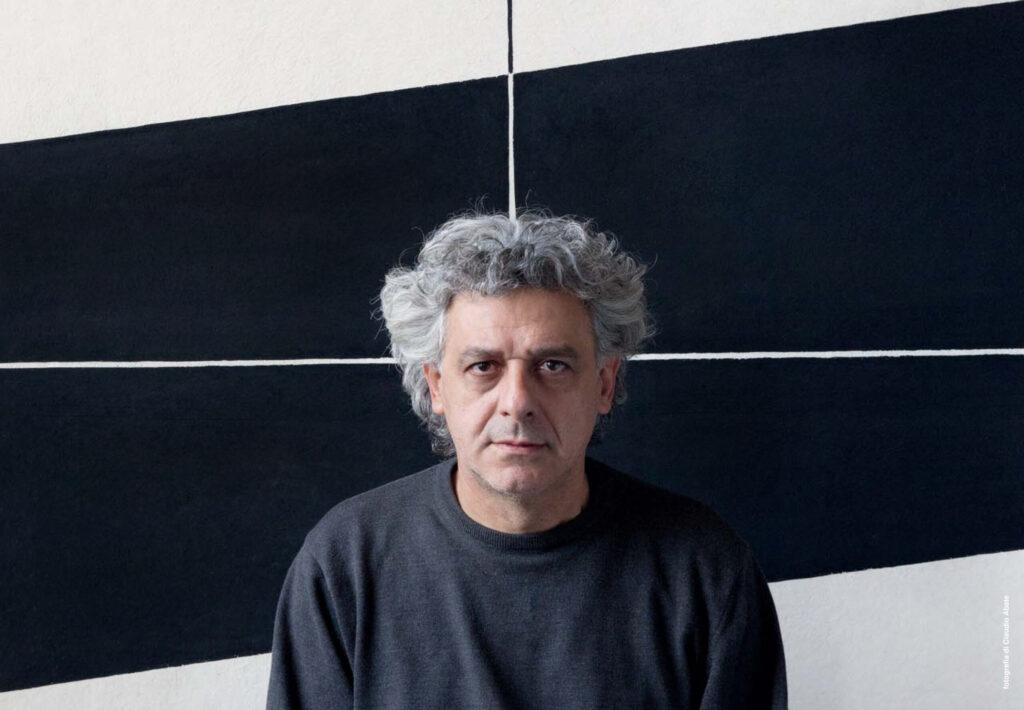
Born in the province of Cosenza in 1954, after completing scientific high school he frequented the faculty of Architecture. In Rome in 1976 Giuseppe Gallo held his first personal exhibition at the Galleria Ferro di Cavallo and in 1977 at La Stanza he presented "Giambellino". In this period he set up his studio in the former Cerere pasta factory in via degli Ausoni, destined to become the point of reference for an entire generation of artists.
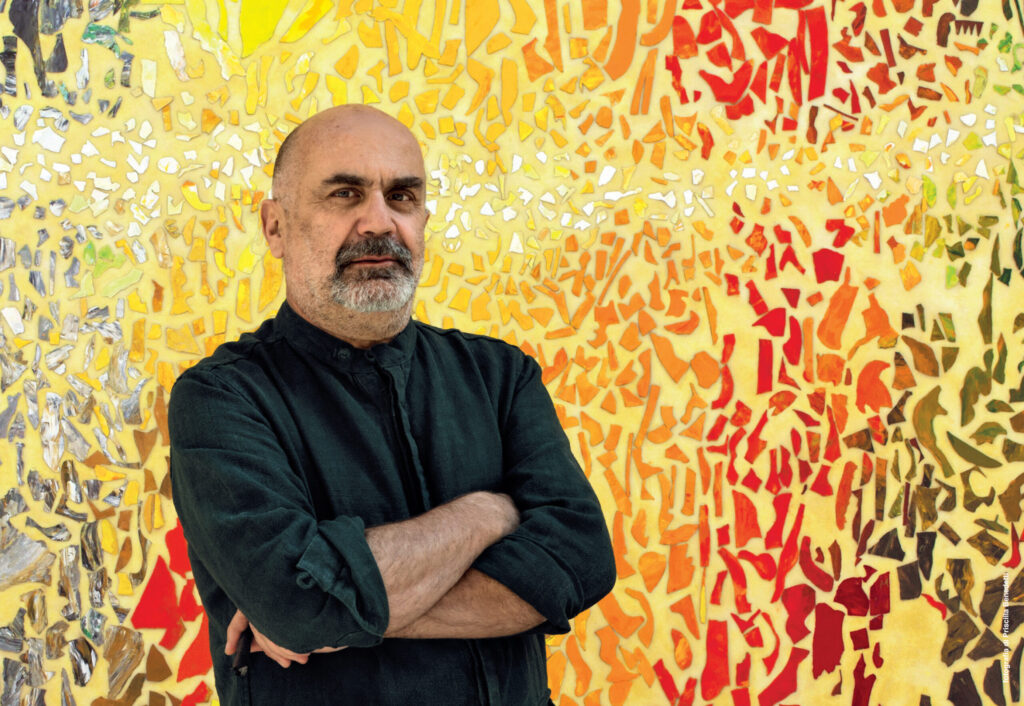
He was born in Turin in 1938. After the first works of the 60s, close to minimal art and the analytical current of Italian painting, in the 70s Marco Gastini changed his language, making use of materials such as lead, mother-of-pearl, carbon inserts, partly exhibited in his solo exhibitions at the Cirrus Gallery in Los Angeles and at John Weber in New York. Important one-man shows had been held at the Lenbachhaus in Munich in 1982, at the Galleria Civica in Modena in 1983 and at the PAC in Milan in 1984.
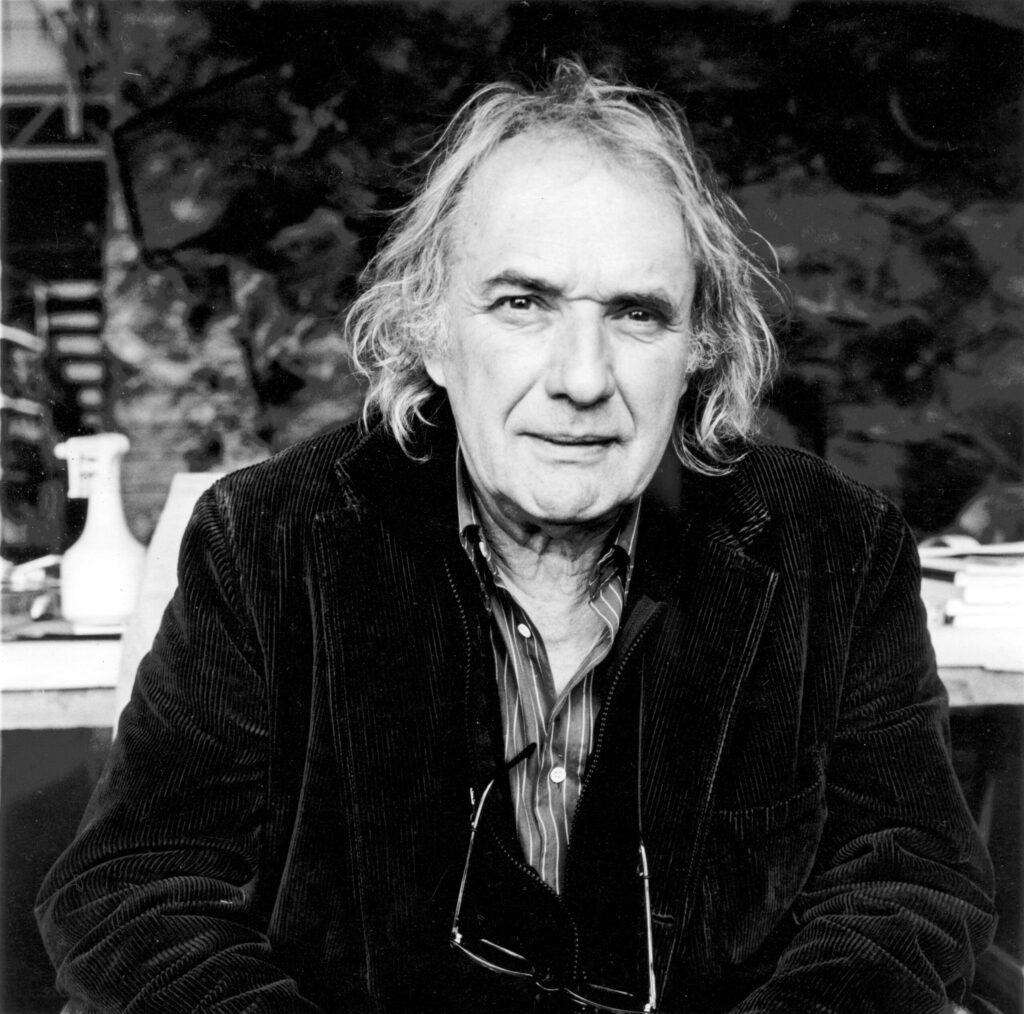
Born in Vicenza in 1967, Arcangelo Sassolino establishes his research on the interpenetration between art and physics, interested in mechanics and technology, interpreted as a source of new possibilities for sculpture. The basis of the investigation conducted by Sassolino are speed, pressure, gravity, tension, with the aim of probing the ultimate limit of resistance and of no return.
In the ’60s he came into contact with the experiences of informal ceramics in Albisola, and in Milan he became the assistant of Lucio Fontana and Arnaldo Pomodoro. The first works for urban spaces are “large irons” based on structures that. He exhibited in 1977 at the Newport Harbor Art Museum, he is interested in the theme of horizontal sculpture. In the early 1990s he was teacher of sculpture at the Stuttgart Academy of Fine Arts. In 2005, he exhibited at the Peggy Guggenheim Collection in the exhibition E se venisse un colpo di vento?.