

12.05.2025 - 25.07.2025
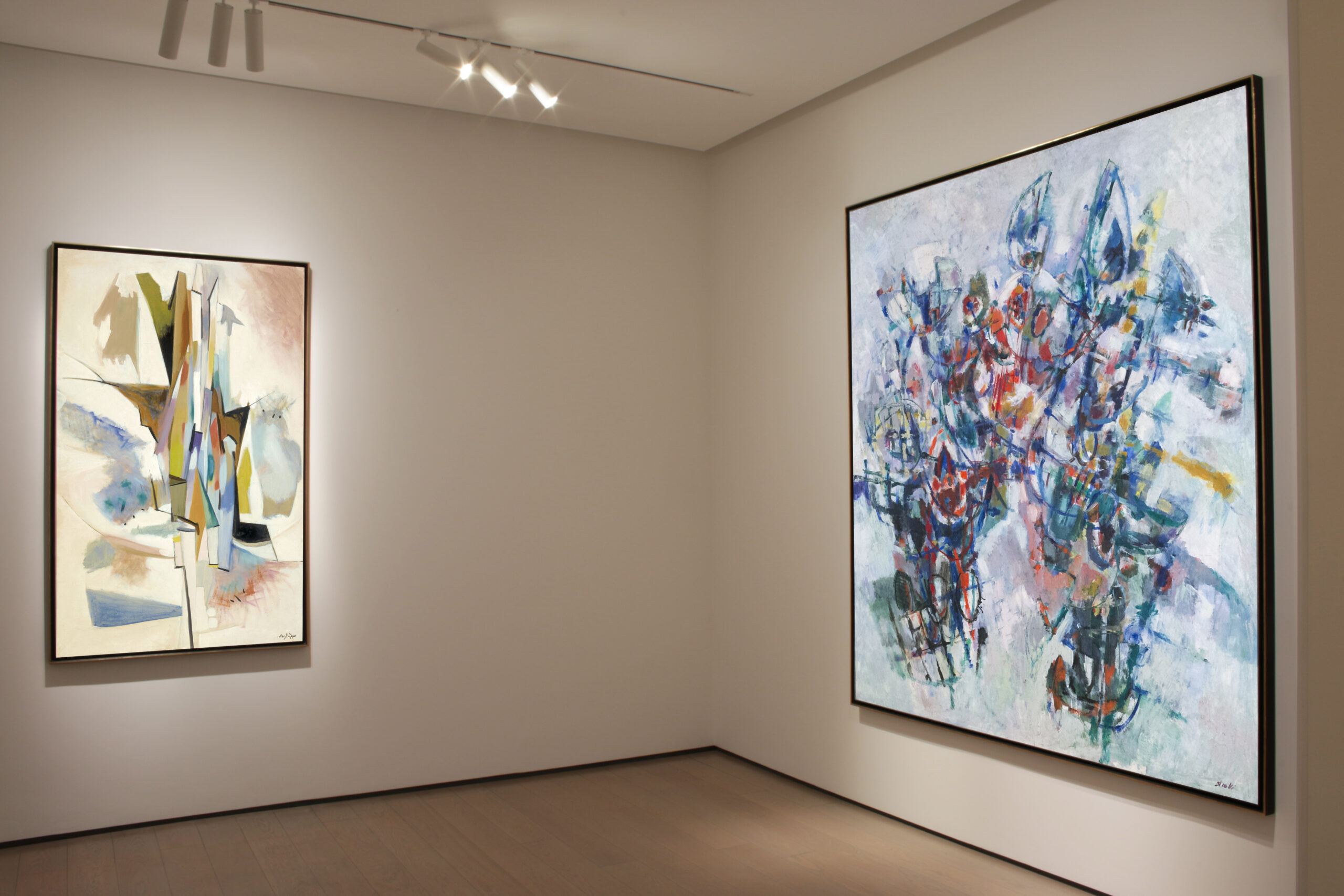
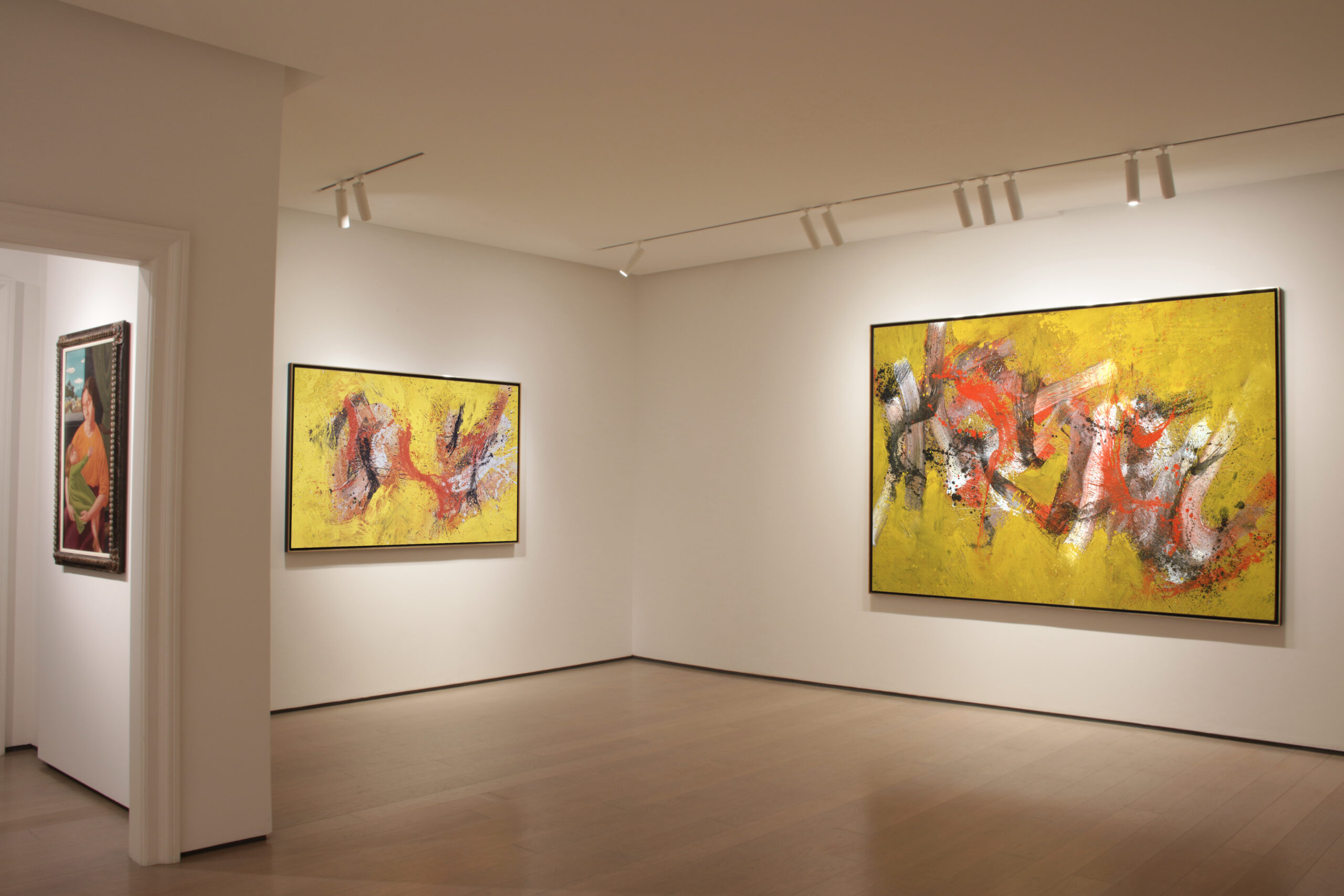
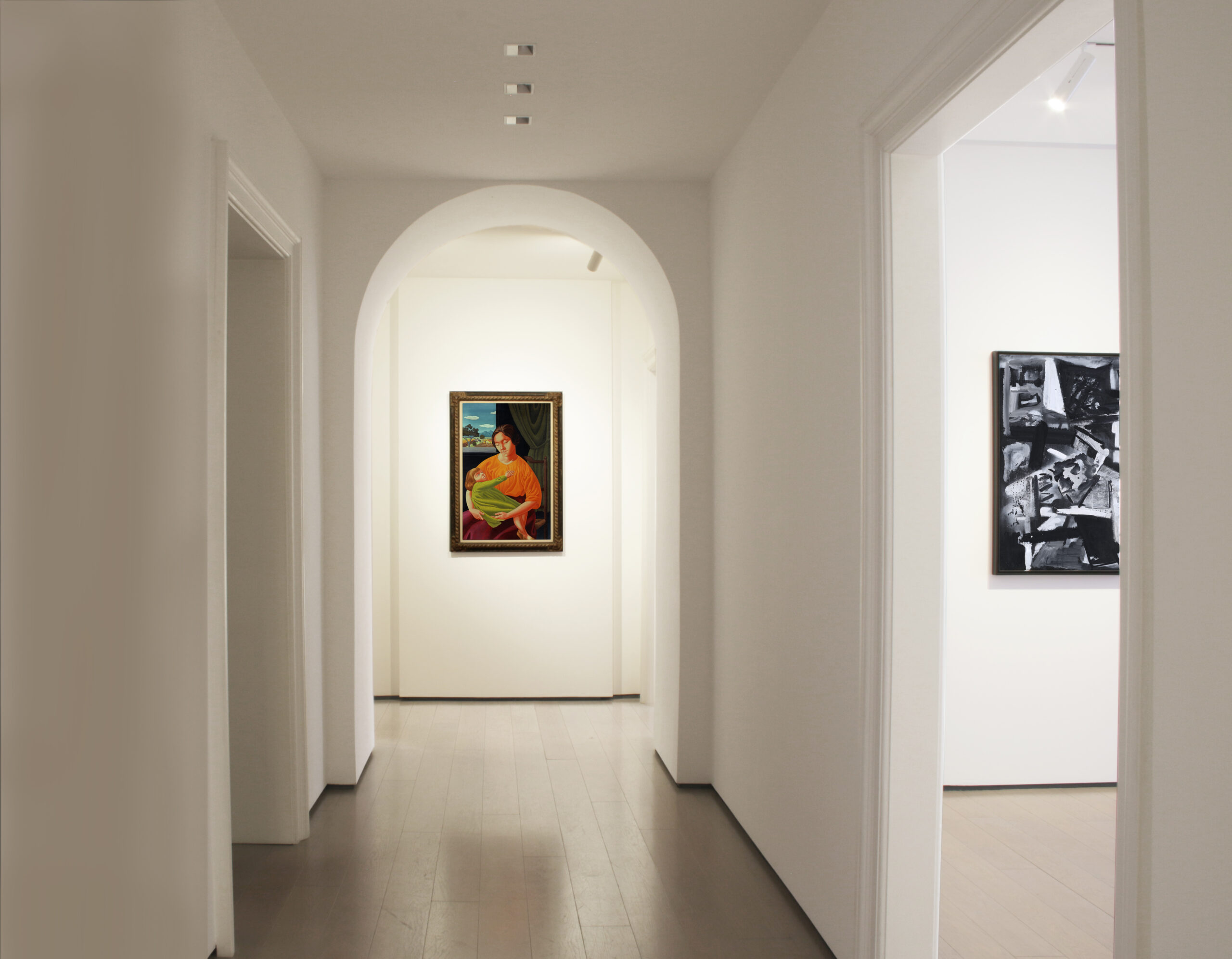
The search for balance, even in compositions of dense, swirling matter, is among the defining elements of 20th-century Italian painting, from the "Valori plastici" years to the abstract experiences of the post-World War II period.
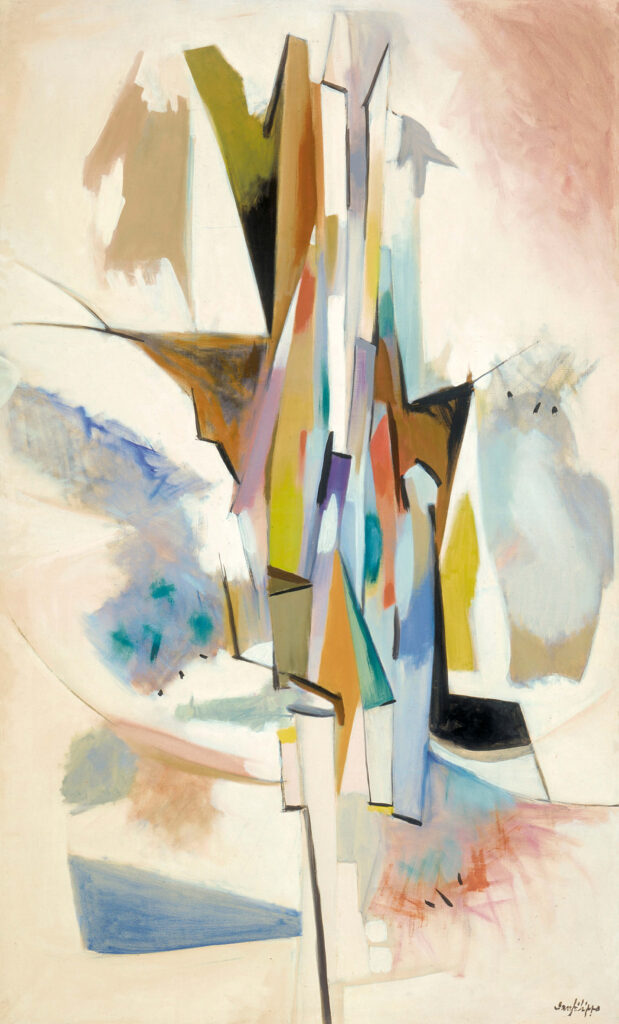
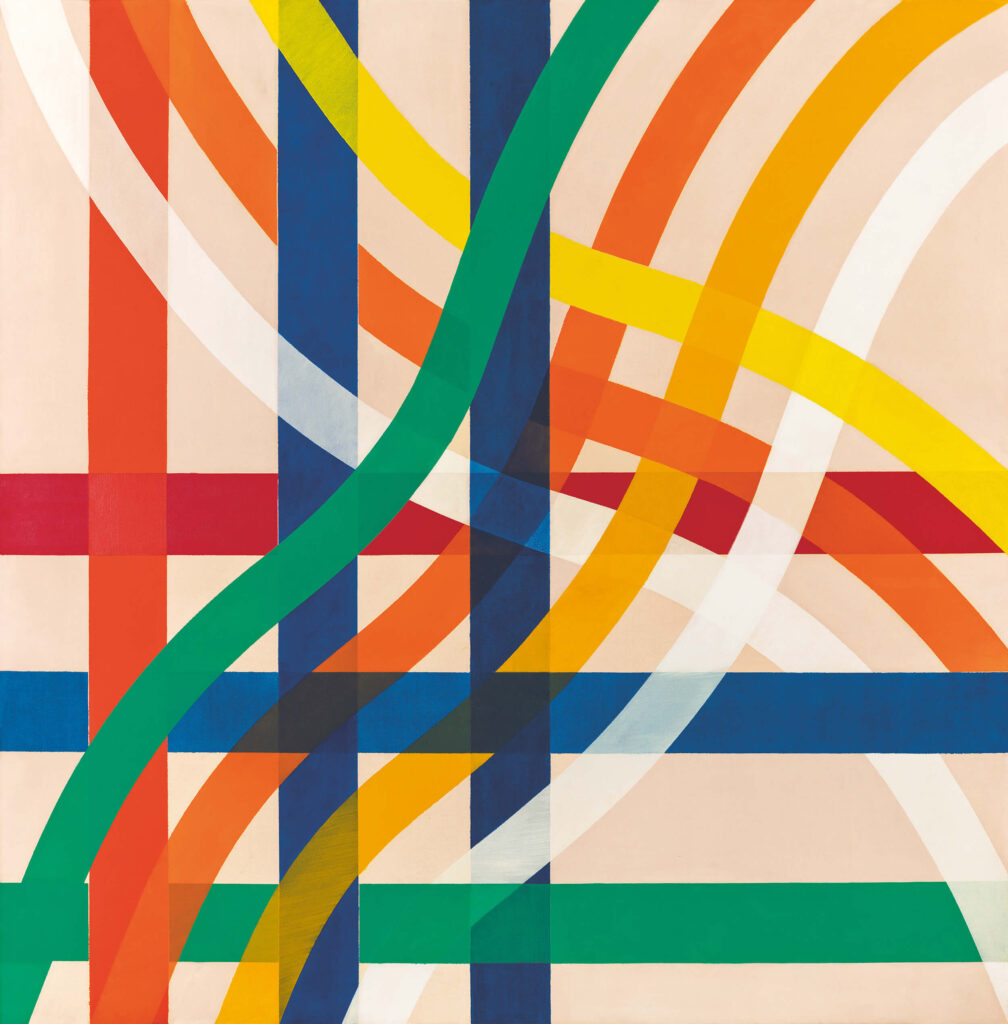
Antonio Sanfilippo with La mia occupazione , 1952, a painting chosen the following year by Palma Bucarelli for an exhibition at the Galleria Nazionale d'Arte Moderna in Rome; Piero Dorazio with Allaccio, a large canvas from 1966 exhibited in his solo room at the XXXIII Venice Biennale; and Toti Scialoja, with paintings from the 1980s pervaded by a "wavy sea" of skillful chromatic gradations, are some of the artists selected for the occasion.
He was born in Verona in 1905. In 1927 he moved to Milan where he met Carlo Carrà and Edoardo Persico, director of the Galleria del Milione; here he exhibited from 1932, the year in which he participated in the exhibition of the 10 painters at the Galleria d’Arte in Rome, approaching the group of the Roman School. From 1938, in Milan, he became the animator of the Corrente Group and of the homonymous magazine.
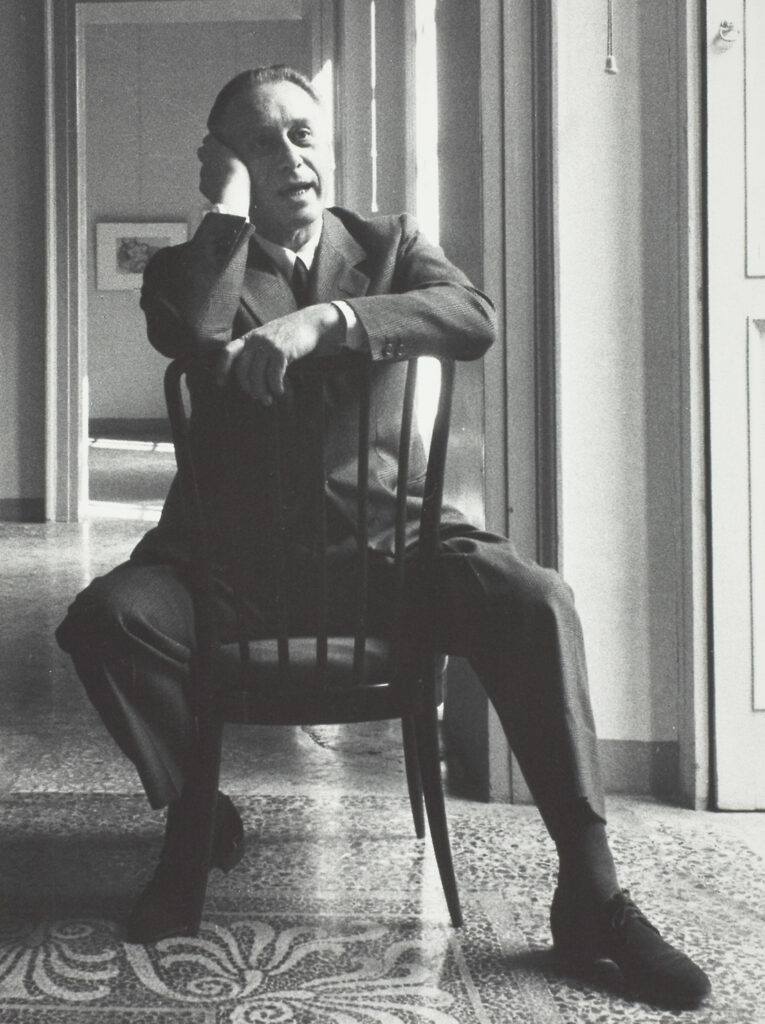
Piero Dorazio in 1953 moved to New York where he forged ties with American artists; he exhibited in the gallery of the publisher George Wittenborn and at the Rose Fried Gallery in 1954. In 1955 he published La fantasia dell’arte nella vita moderna (The Fantasy of Art in Modern Life). After the phase linked to the grids or textures, from 1963 he broadened the chromatic bands by opening up to pictorial compositions based on the use of timbral color.
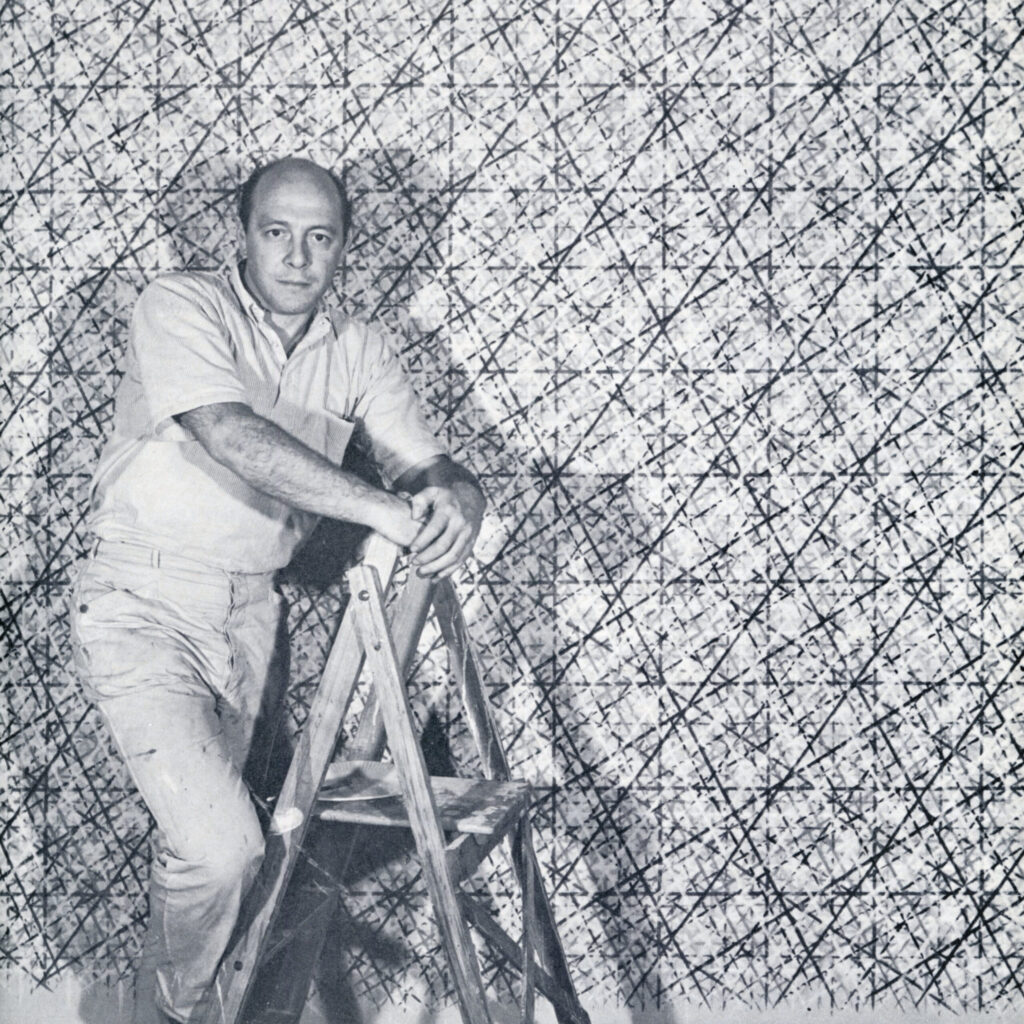
He was born in Sicily in 1923. In 1946 he settled in Rome and the following year he was one of the founders of the “Forma” group. Antonio Sanfilippo exhibited at the Venice Biennale in various editions: 1948, 1954, 1964 and in 1966 with an important personal room. At the beginning of the 1950s he reflected on the sign reaching, between 1956 and 1957, a peculiar stylistic code made up of free signs scattered on the canvas.
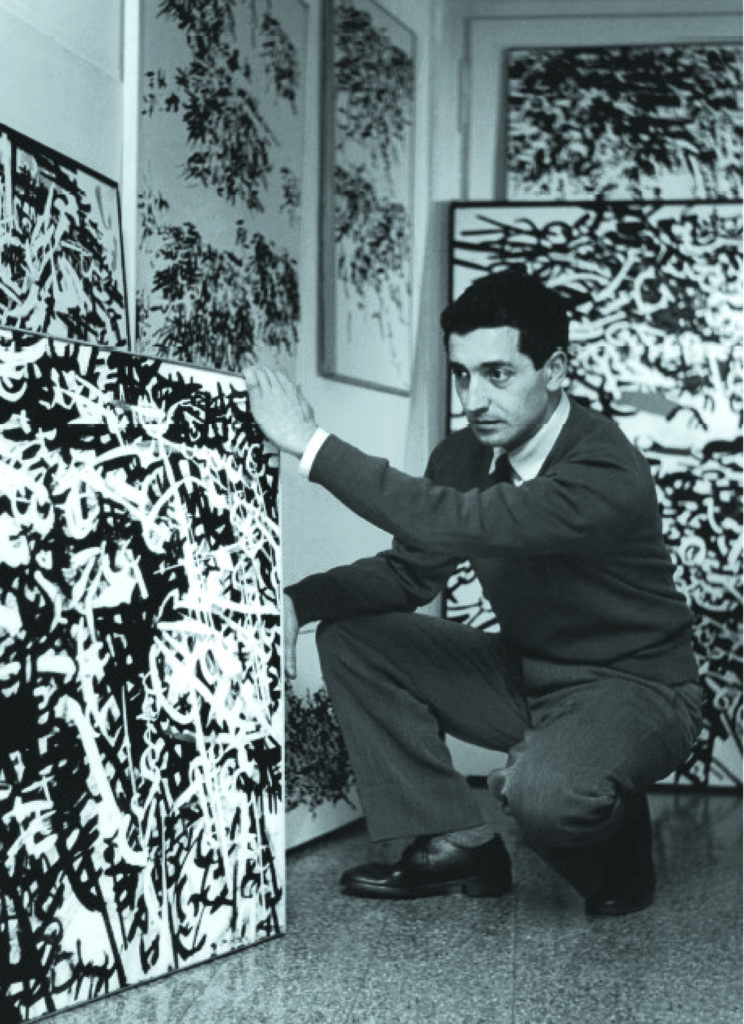
Born in Rome in 1914, he followed his intimate vocation for painting and poetry from a very young age, frequenting the context of the Galleria della Cometa led by Corrado Cagli and Libero de Libero. In 1939 he took part in the III Quadriennale in Rome, and the following year he held his first solo exhibition at the Galleria Genova in the Ligurian capital.
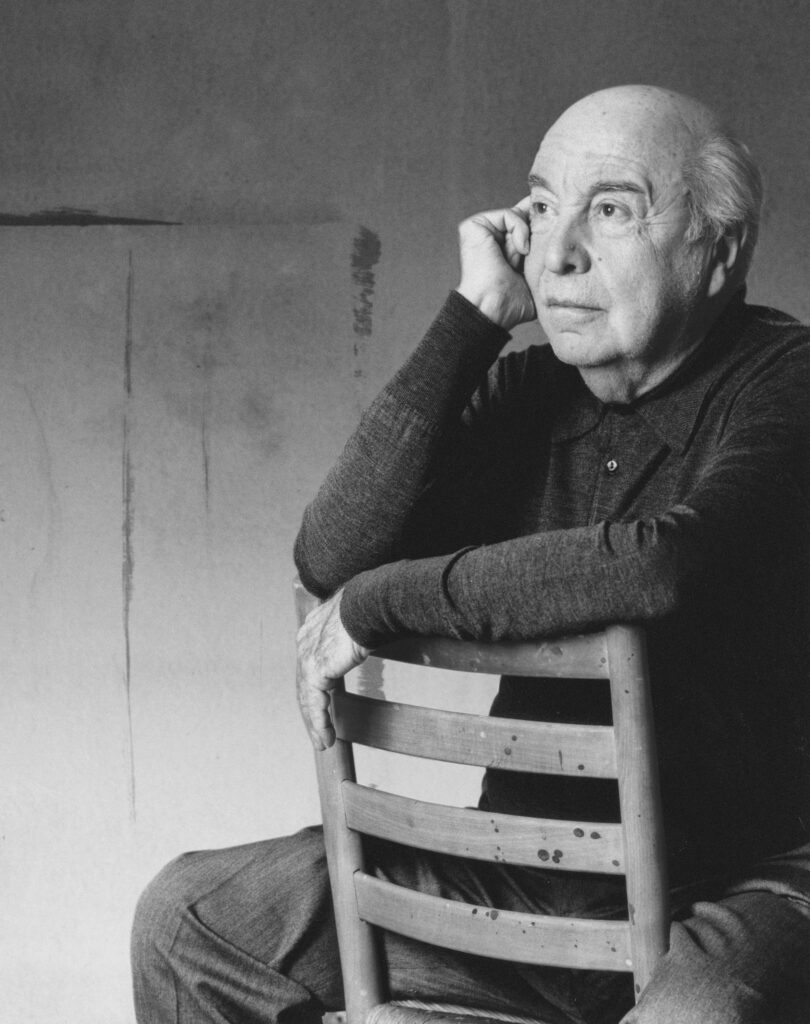
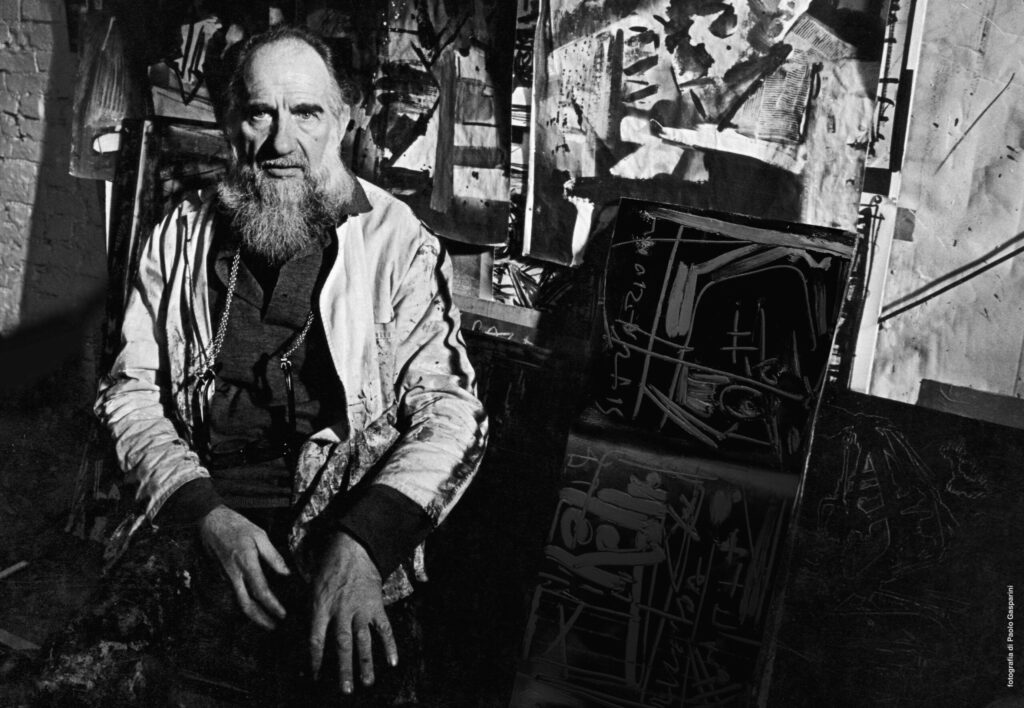
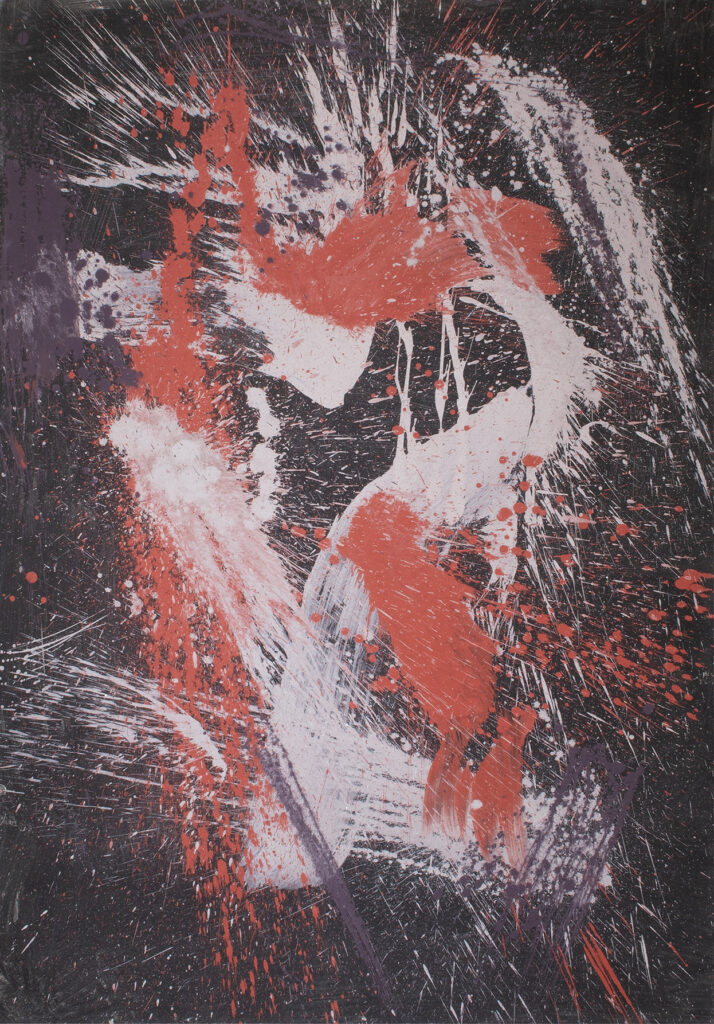
After joining the Fronte Nuovo delle Arti, Vedova is among the most important exponents of the abstract current of Italian painting, based on the use of gestural painting of great expressive power. Author in 1964 of the Absurdes Berliner Tagebuch, a series of Plurimi exhibited at Documenta Kassel, he links his name to some important pictorial cycles, including De America (1976-1977), Tondi and Oltre (1985-1986) which are flanked by large canvases from the 80s.