

curated by Maurizio Fagiolo dell'Arco
27.11.1988 - 29.06.1989
“The imagination is not the thriving of the arbitrary, and even less of the imprecise. The realistic precision of outlines, the solidity of material well planted on the ground; and all around there is like a magical atmosphere that makes itself heard through an intense unease, almost another dimension in which our life is projected.” This is how Massimo Bontempelli indicted the sense of the art that since 1919 affirmed itself in Italy and Europe – the same as that of Picasso, Stravinsky, Derain, and Otto Dix – and that constituted the really innovative line of the art of the 1920s, defined for the first time by Franz Roh in his book Nach Expressionismus - Magischer Realismus, published in Leipzig in 1925.
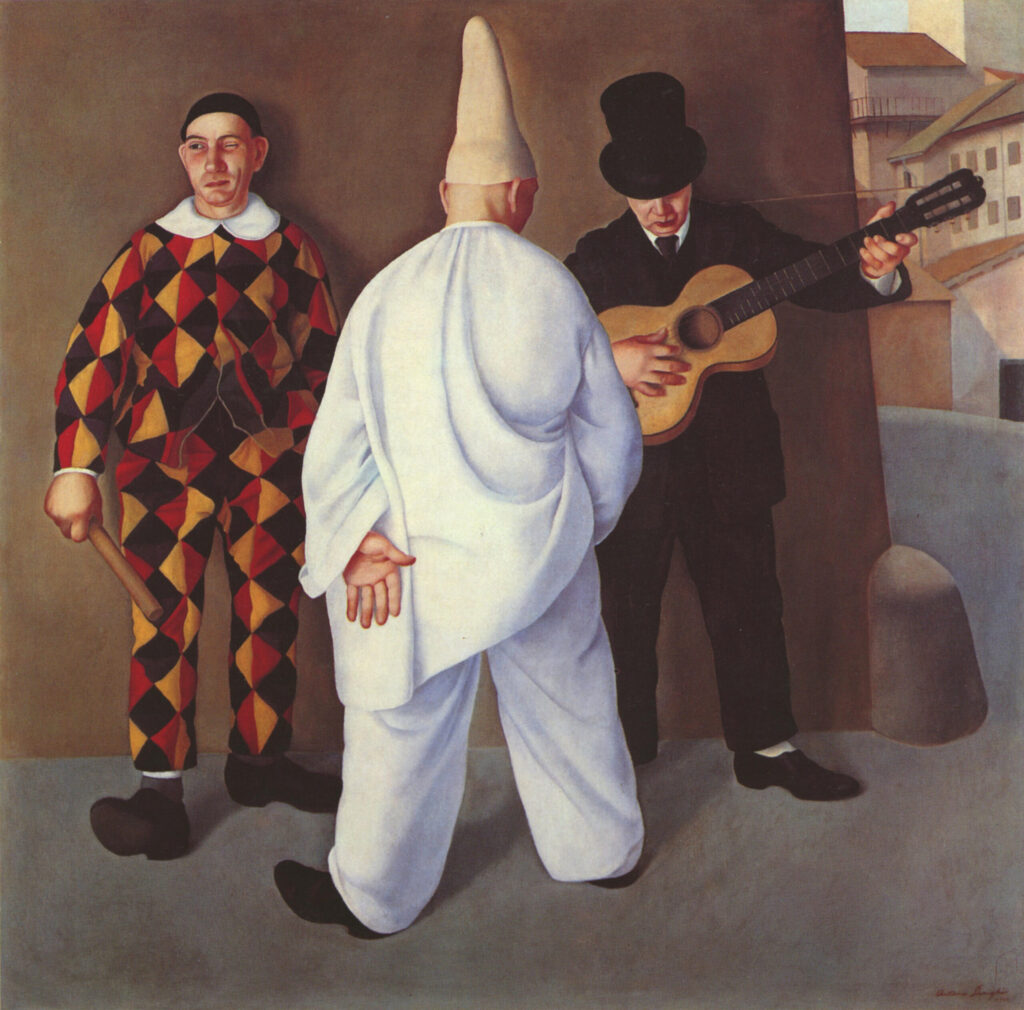
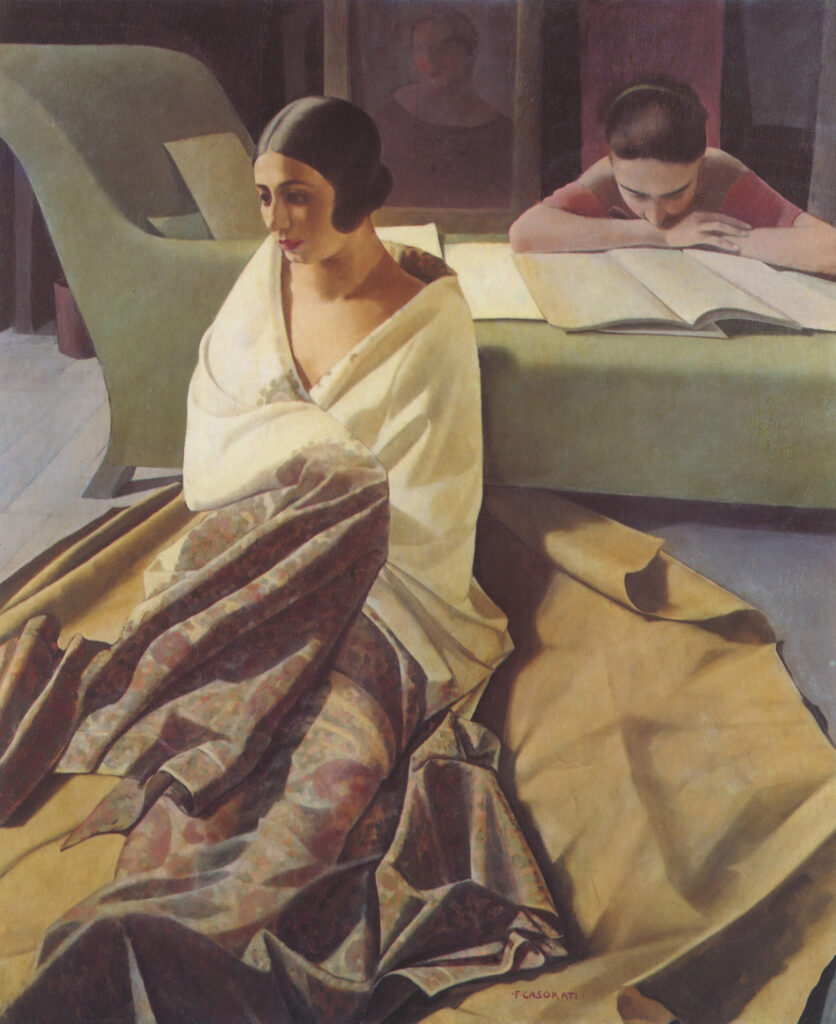
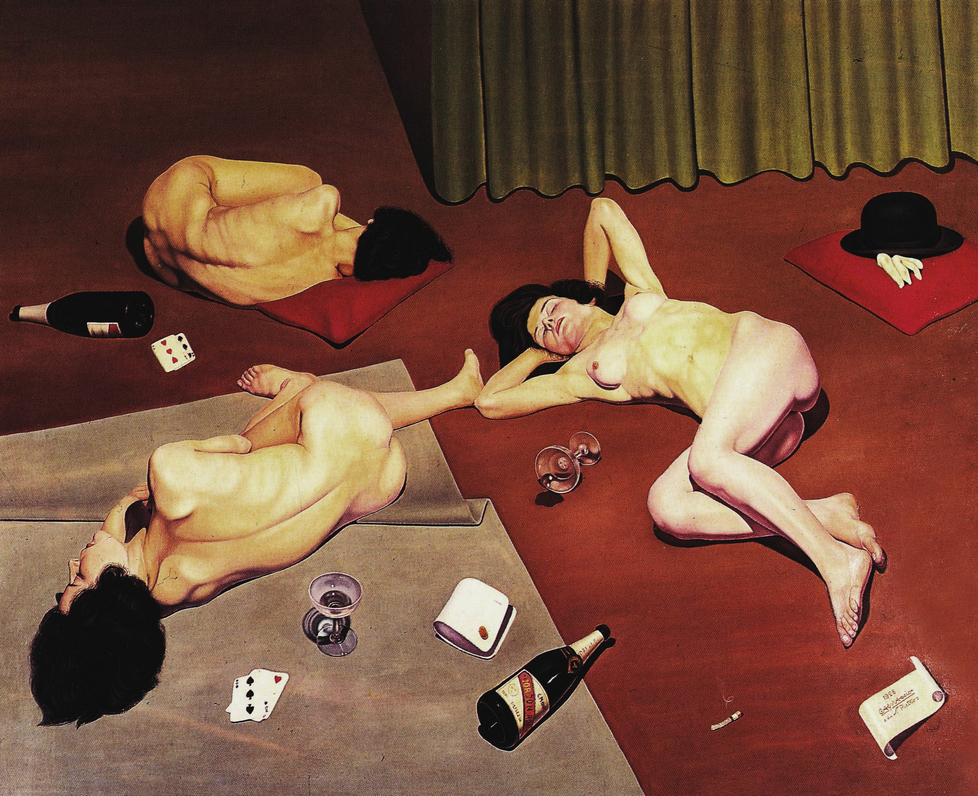
The exhibition Realismo magico, pittura e scultura in Italia 1919-1925, realized under the patronage of Regione del Veneto and Municipality of Verona, presented over sixty works from important public and private collections. It opens by analysing the importance of the context of "Valori Plastici" – de Chirico e Carrà, Morandi, and Arturo Martini – and the Parisian experiences of Severini and Tozzi in that period. It further documents, as far as the show of the Novecento italiano in 1926, the artistic research in the different centers – Milan, Turin, the Veneto region, and Rome – with Sironi and Funi, Dudreville, Oppi, Malerba, Zanini, Casorati, Chessa and Menzio, Levi, Cagnaccio di San Pietro, Trentini and Nardi, Vitturi and Zancolli, Guidi, Ferrazzi, Donghi, Socrate, Trombadori, Edita Broglio, and Francalancia.
The initiative aimed to examine works never presented before in public, selected as an expression of the 1920s or specifically referred to the "Valori Plastici" or "Novecento" movements, quite apart from groups, schools or geographical areas, in order to critically identify the ideas and reasons behind an expressive language.
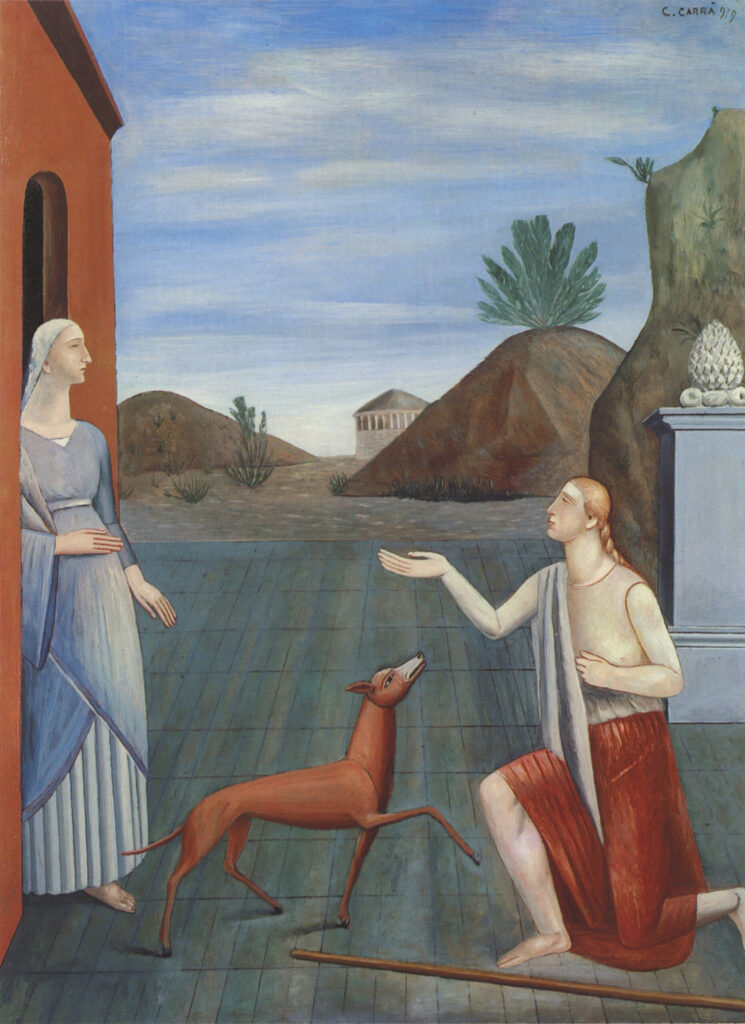
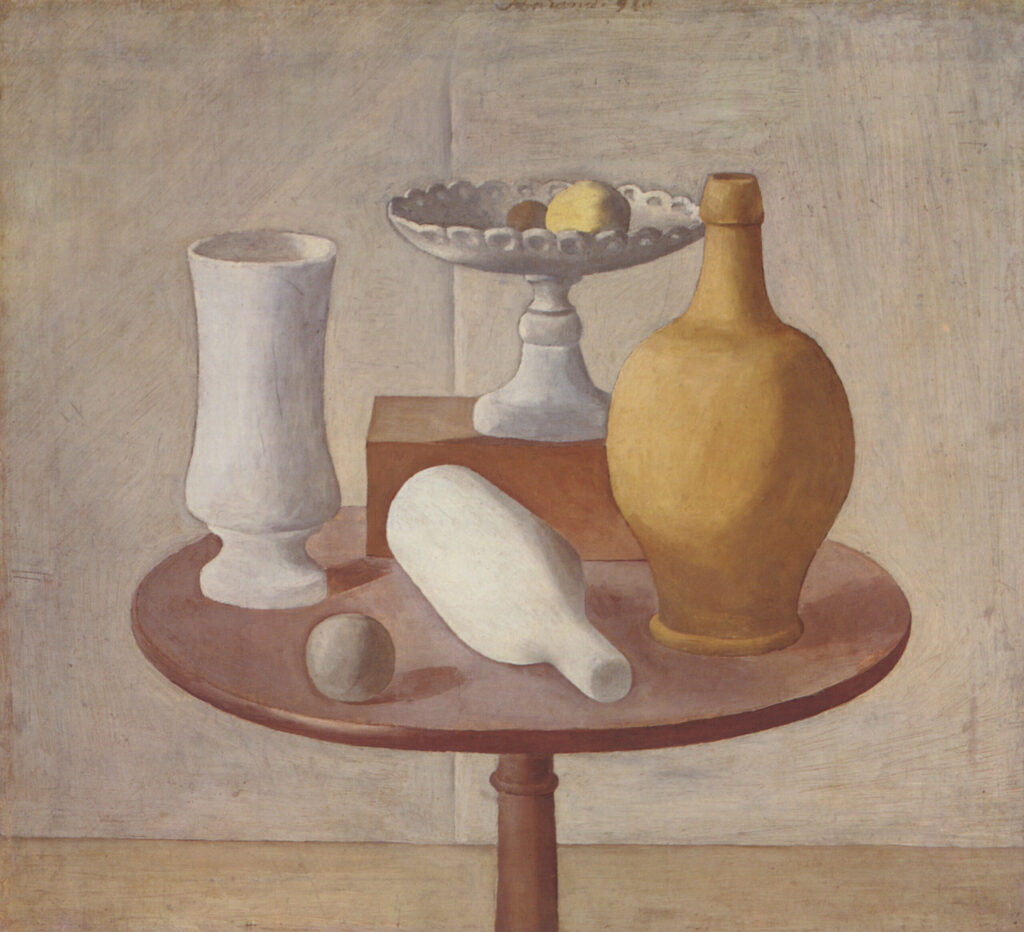
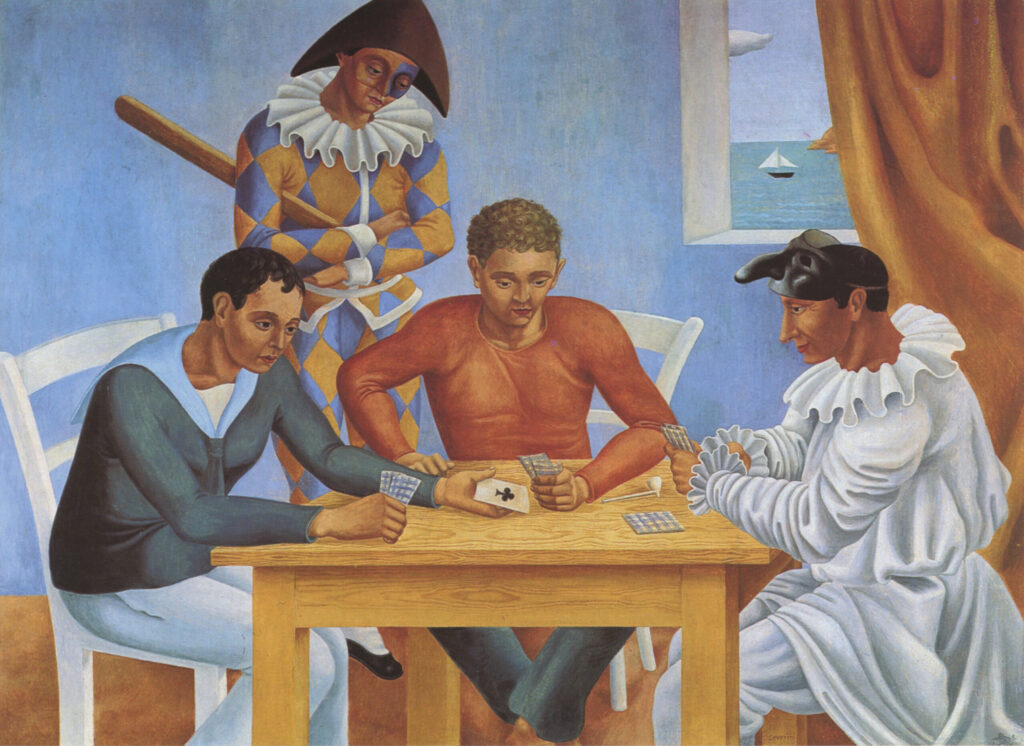
Among the paintings on show, some from the collection of the musician Alfredo Casella, were II pino sul mare by Carrà and La partenza degli Argonauti by de Chirico, the Natura morta sul tavolo by Morandi and I giocatori di carte by Severini; the programmatic work by Dudreville Amore: discorso primo, L’allieva by Sironi, Le doublé portrait by Oppi (the first work presented in Paris), and Conversazione platonica by Casorati.
↣ Read moreBorn in the province of Alessandria in 1881, he enrolled in the Brera Academy in Milan in 1906, coming into contact with Lombard divisionism. He adhered to Futurism and in 1910 signed the Manifesto of Futurist Painting and the Technical Manifesto of Futurist Painting. In Paris in 1912 he approaches the Cubists, later joining the Florentine group of “Lacerba”.
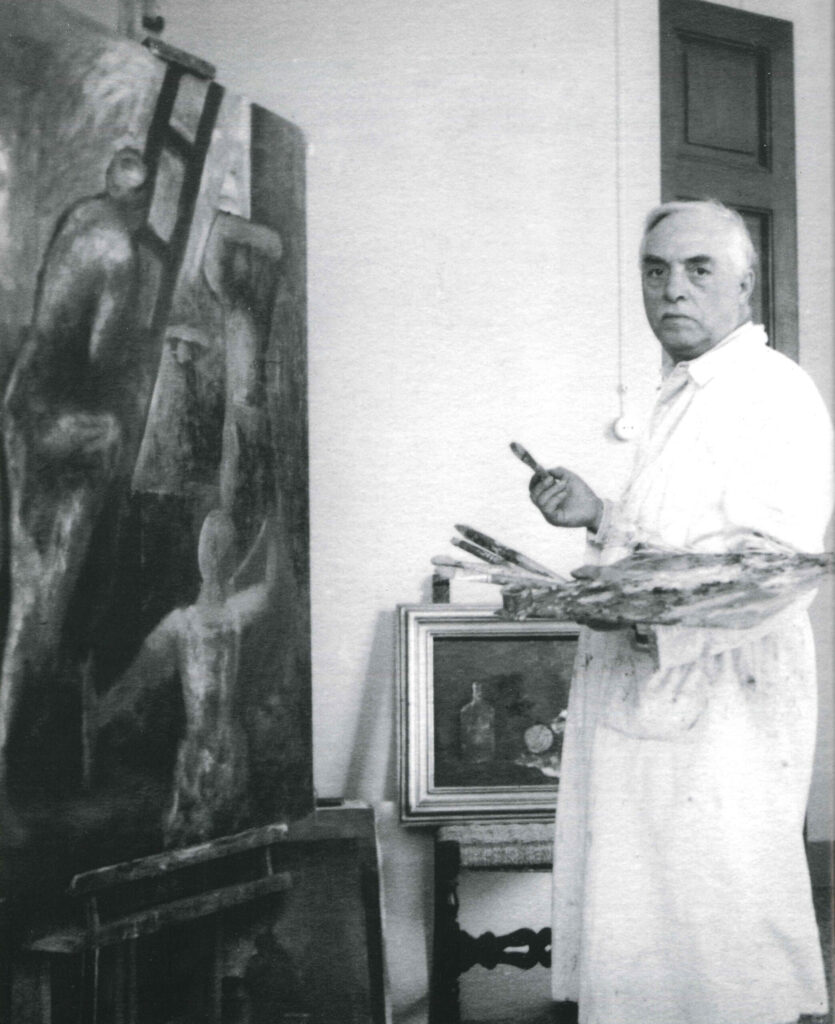
He was born in Novara in 1883 and, after abandoning the study of the piano, he began to paint. In 1906 he graduated in law without interrupting his figurative commitment, consecrated by his participation in the Venice Biennale in 1906, the first of a long series of appointments at the Venetian exhibition.
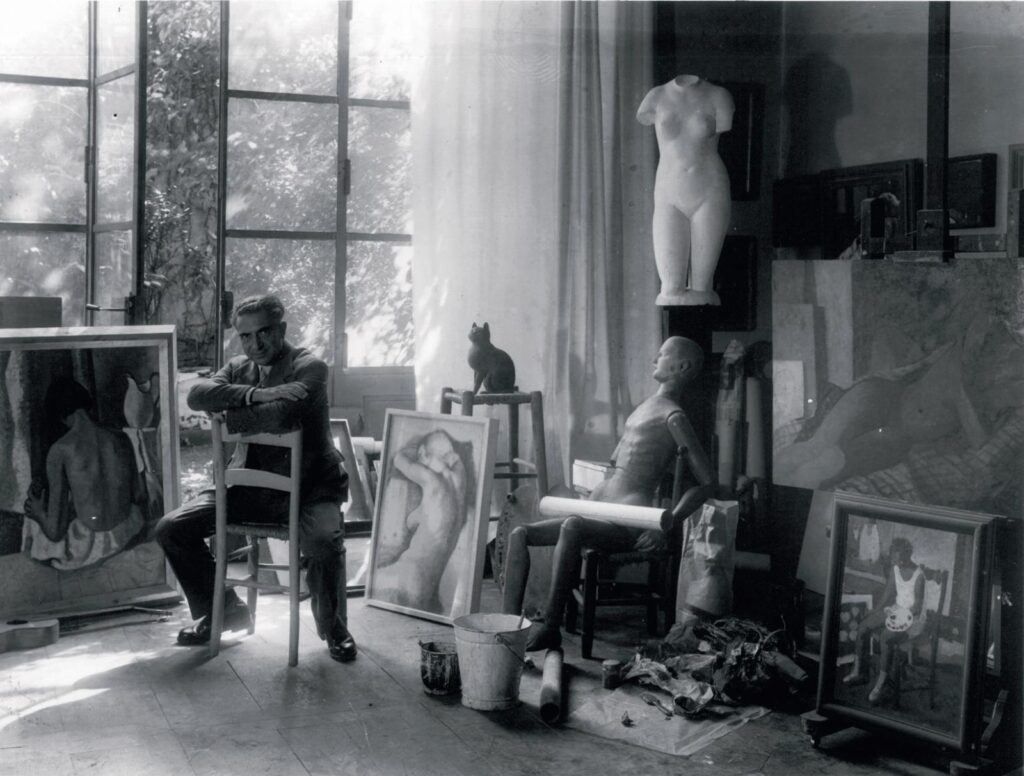
He was born in Volos in 1888 and moved to Germany in 1906, to Munich. Here he began attending the Academy of Fine Arts and studied the work of Böcklin and Klinger; he is interested in philosophy and studies Nietzsche, Schopenhauer and Weininger. In 1910 Giorgio de Chirico returned to Italy where he was struck by the deserted squares and monumental architecture immersed in the warm summer light.
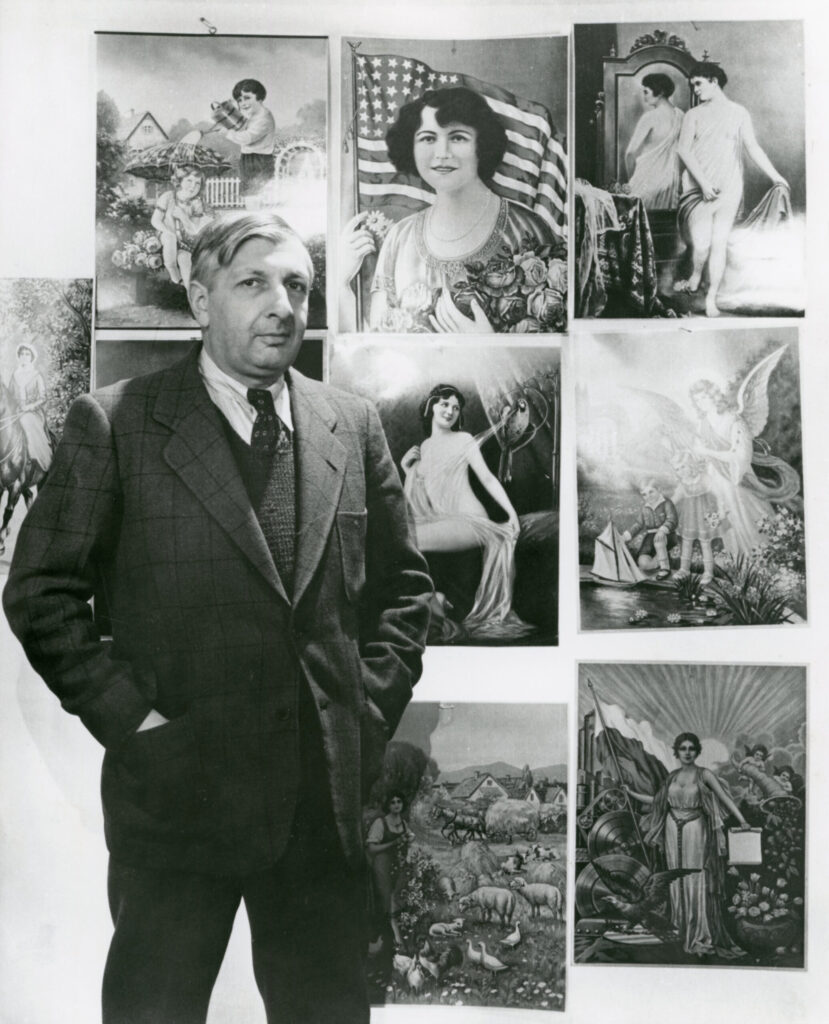
Born in Pistoia in 1901, he attended the Academy of Fine Arts in Florence studying painting, engraving and sculpture. He is interested in the avant-garde and in ancient, archaic, Etruscan and medieval sculpture; this is the basis of his figurative culture. The predilection for archaic forms is manifested in the pictorial works of the 1920s and 1930s. His first one-man show was held in 1932 at the Galleria Milano.
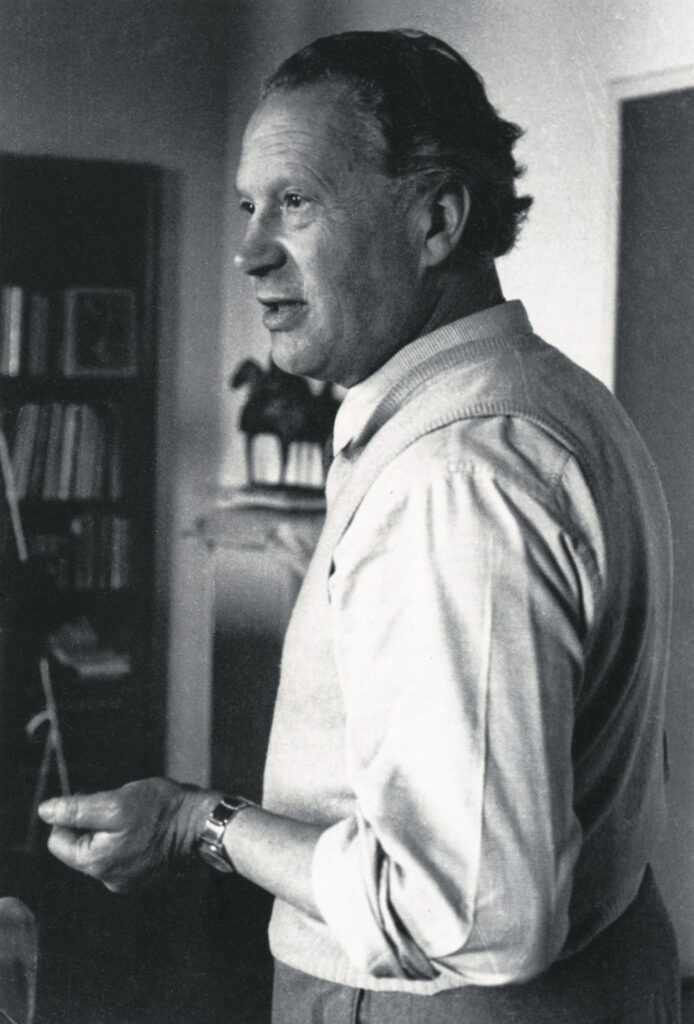
Among the protagonists of 20th-century Italian painting and one of the most popular engravers of that period, after the first exhibitions with the Futurists and his adherence to metaphysics with Carrà and de Chirico in 1918, he joined the “Valori plastici” group in 1920. Objects such as bottles, vases, flowers and bowls, arranged on a tabletop, are the protagonists of his still lifes, based on refined tonal values.