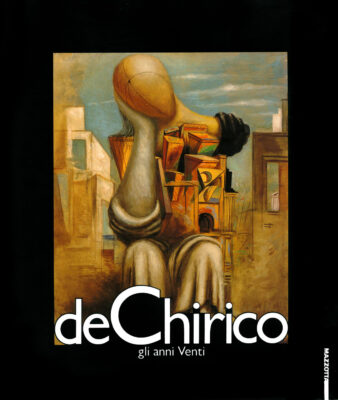


curated by Maurizio Fagiolo dell'Arco
14.12.1986 - 31.01.1987
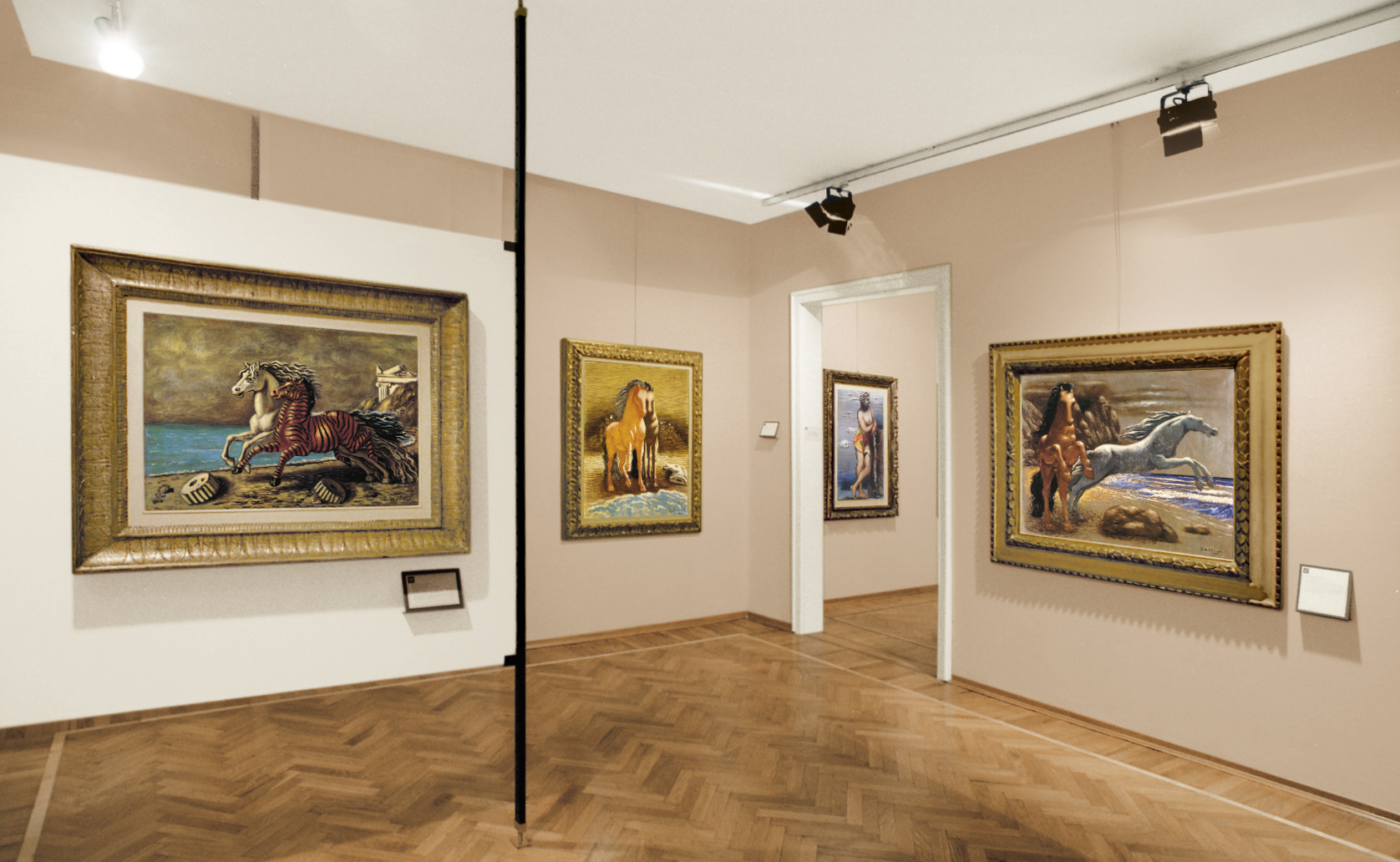
The exhibition de Chirico, gli anni Venti was inaugurated in Verona on December 14, 1986. Organized by Galleria dello Scudo and Galleria d’Arte Moderna e Contemporanea Palazzo Forti and realized under the patronage of Regione del Veneto and Fondazione Giorgio e Isa de Chirico, it was the first exhibition wholly dedicated to the decade in which the “pictor Optimus”, after the already celebrated season of Metaphysics, renewed his repertoire with subjects destined to further consecrate him in the Parisian and international artistic context.
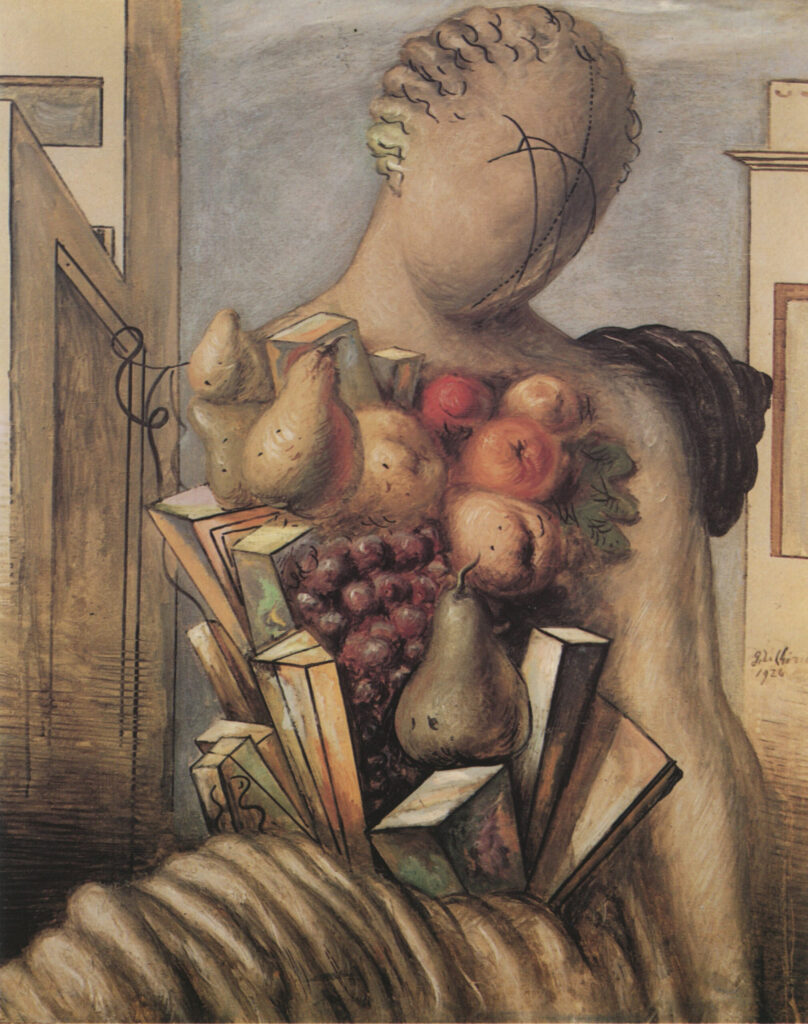
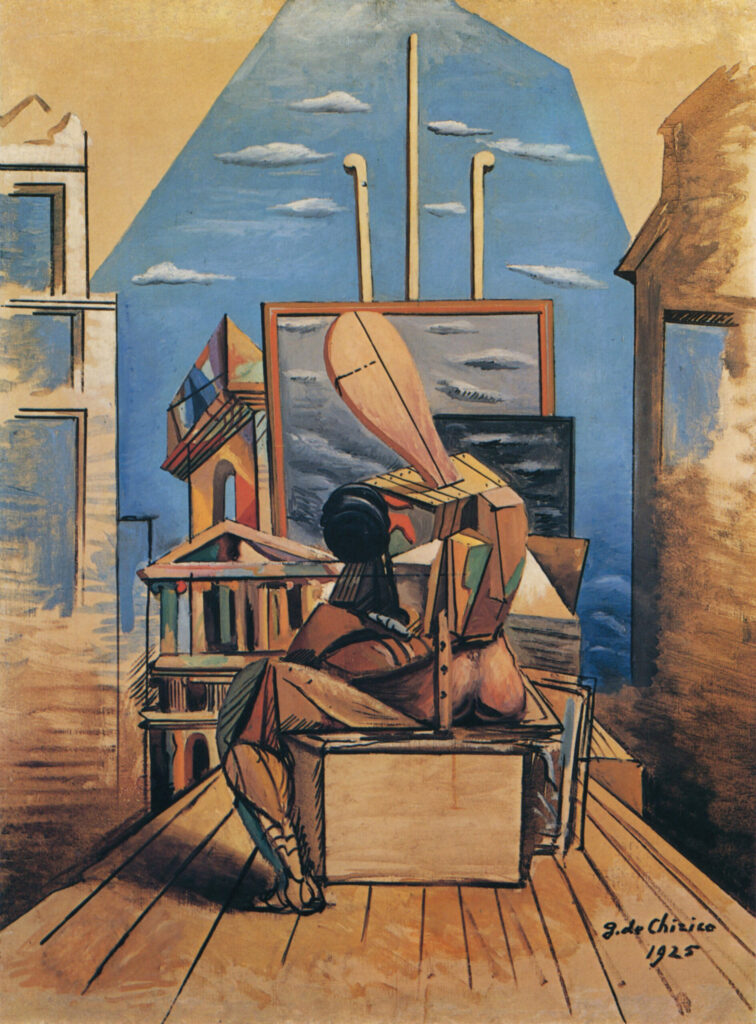
With a selection of over 70 paintings, some of which have never been exhibited in Europe before, the show proposed an in-depth investigation on the years spent between Rome, Florence and Milan (1920-1925), and then on his stay in Paris, which had a primary importance for the study and maturation of new themes widely developed in his subsequent works.
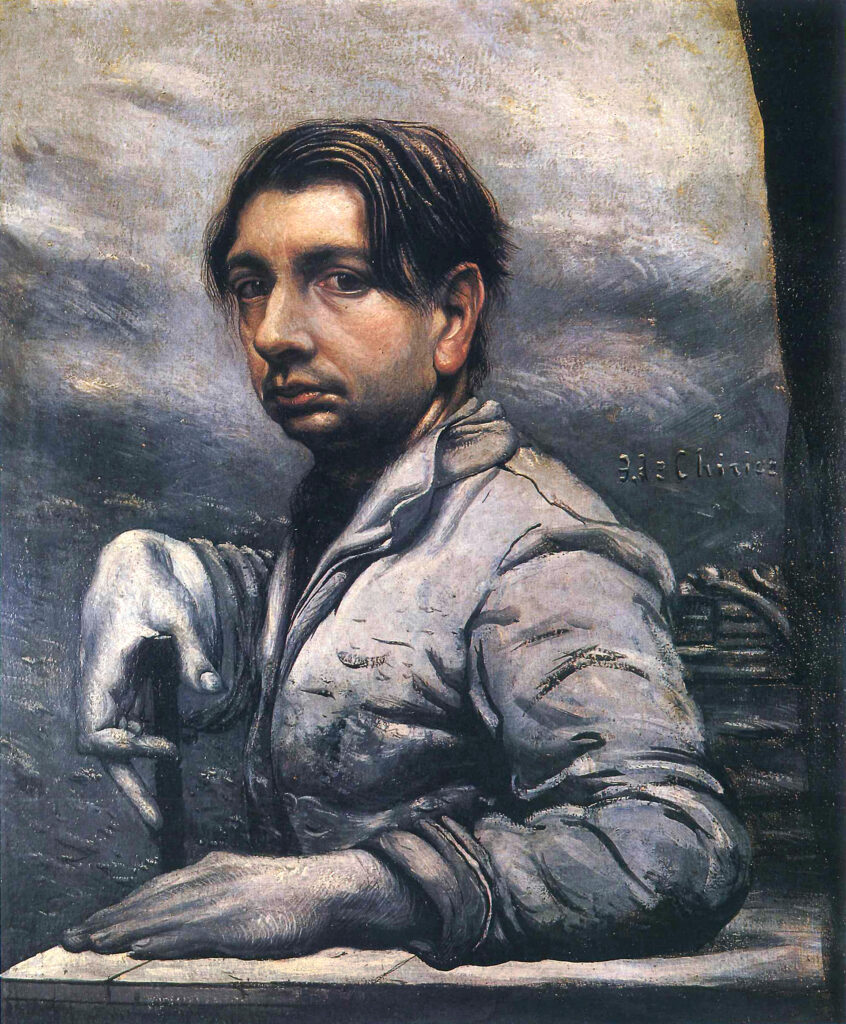
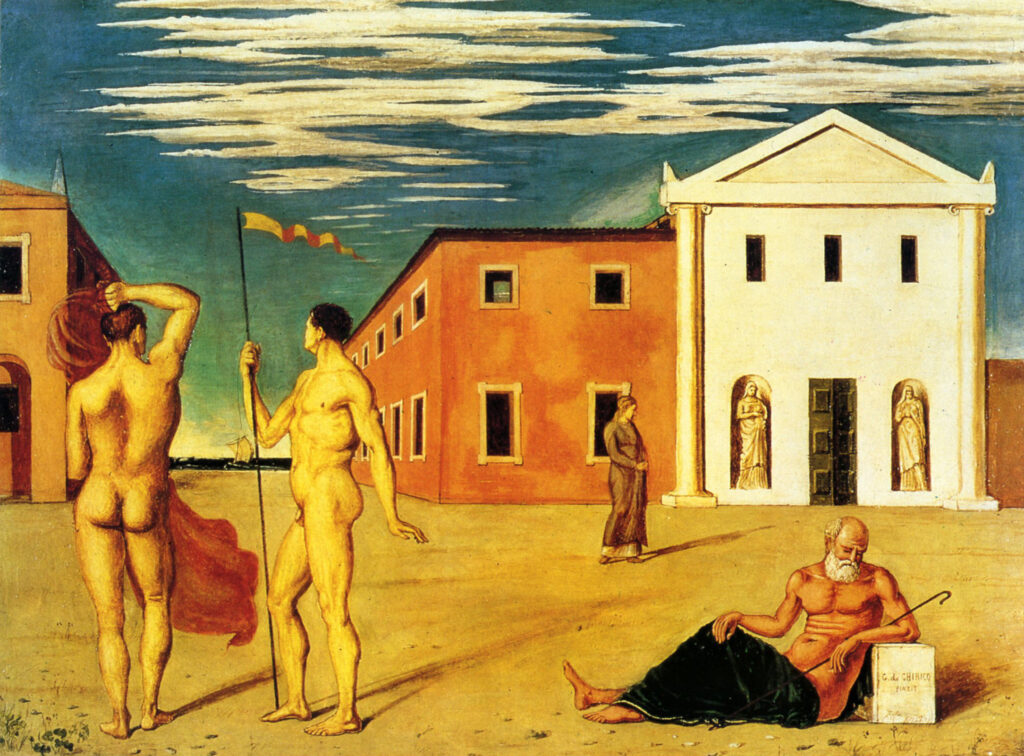
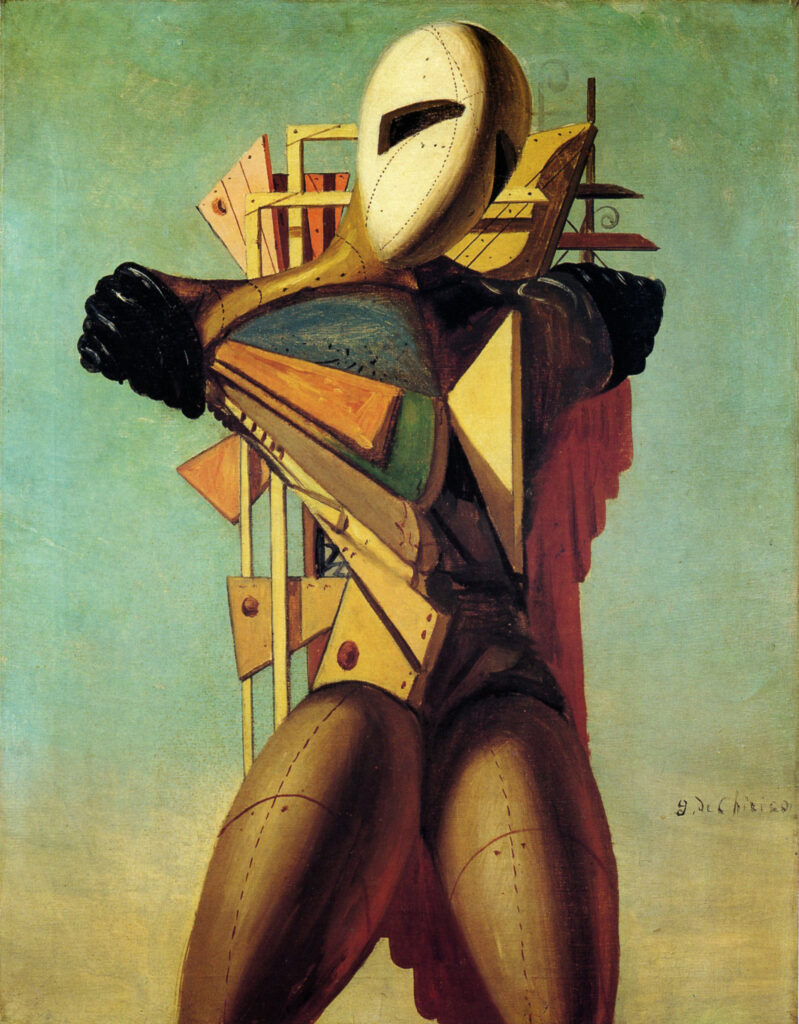
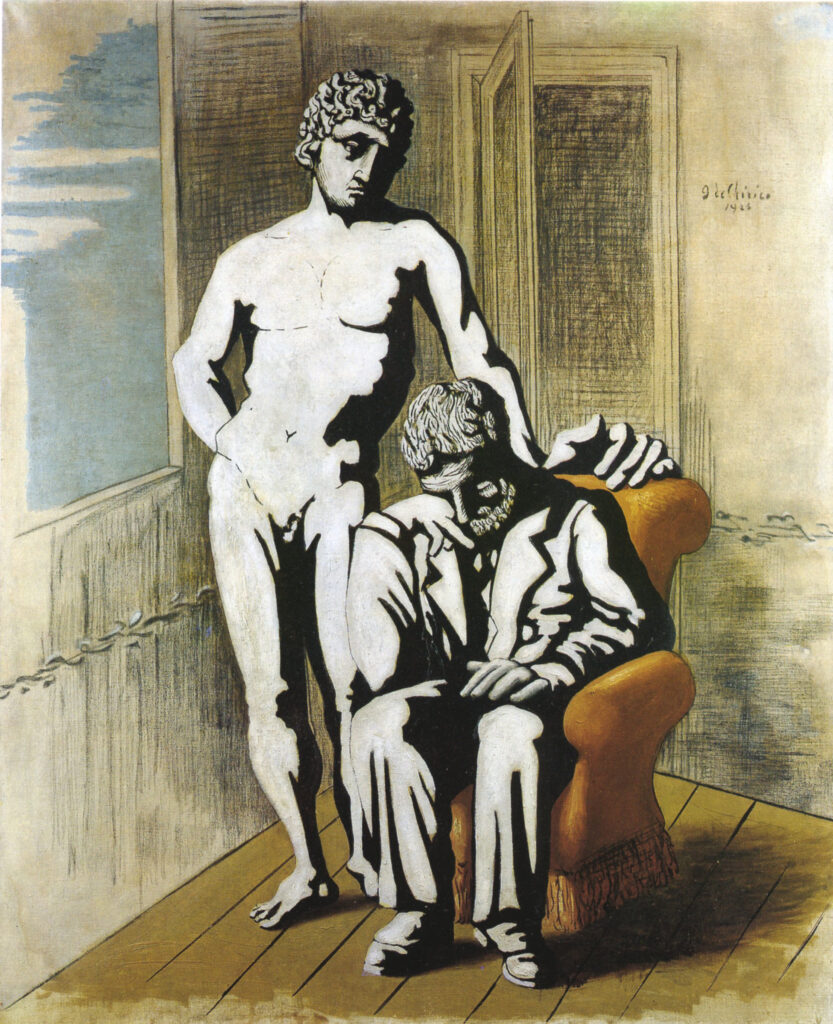
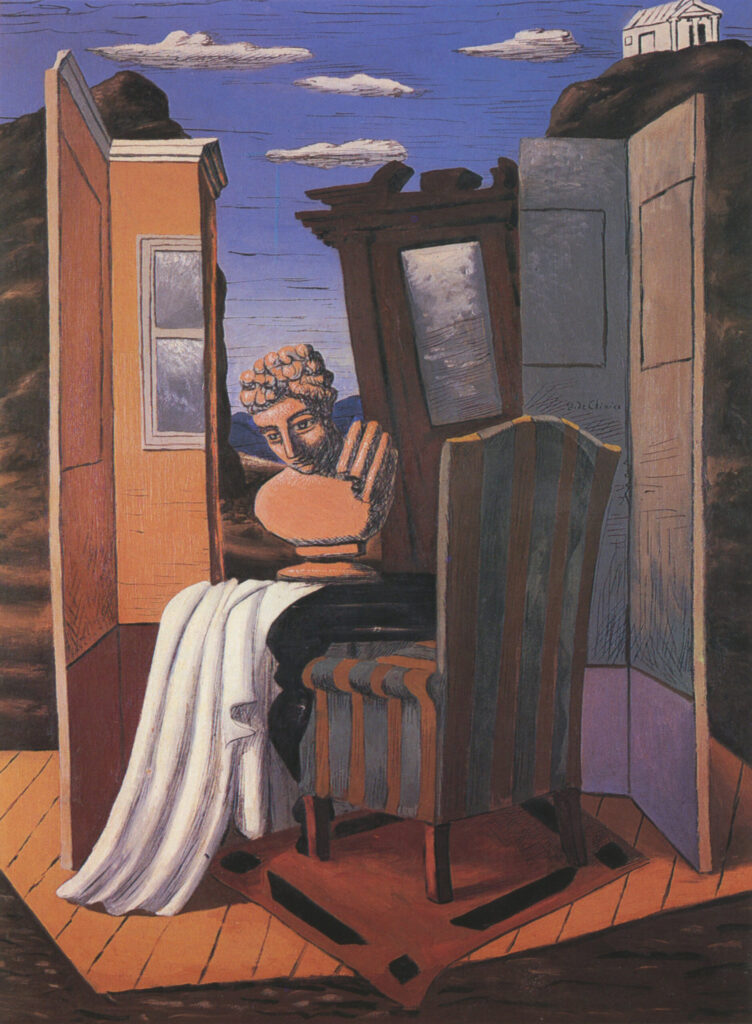
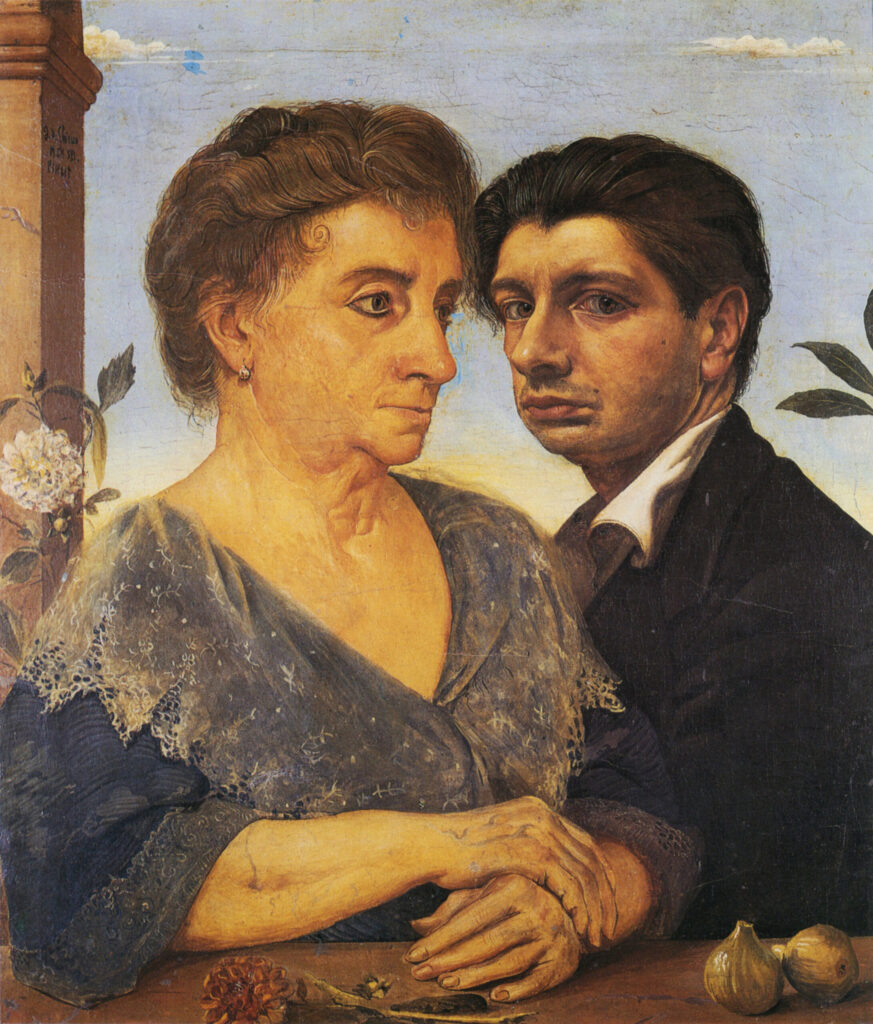
The exhibition was introduced by six self-portraits, including the small canvas (1920) in the Holbein style which belonged to Mario Broglio and then to Alfredo Casella, and the Autoritratto (1924-1925) finally entered Deana collection. Between classical re-enactments and romantic suggestions, the paintings Mercurio e i metafisici (1920) and Edipo e la Sfinge (1920) mark the “enigmatic” side of de Chirico’s painting deriving from the mental overlaps and the cryptic character of the iconographic references. They are joined by Oreste ed Elettra (1923) and La partenza del cavaliere errante (1923), the latter metaphor of the journey of ancient and modern man through unknown regions and countries, seen as physical and mental places. Il condottiero (1925) and Il figliol prodigo (L’enfant prodigue) (1926) are among the masterpieces of the French period. The first entered René Berger’s collection, the second is dominated by the alienating juxtaposition of the phantasmatic character of the son – the statue seen as if in a solarized photo – with the figure of the father, bourgeoisly identified with his red leather armchair.
↣ Read more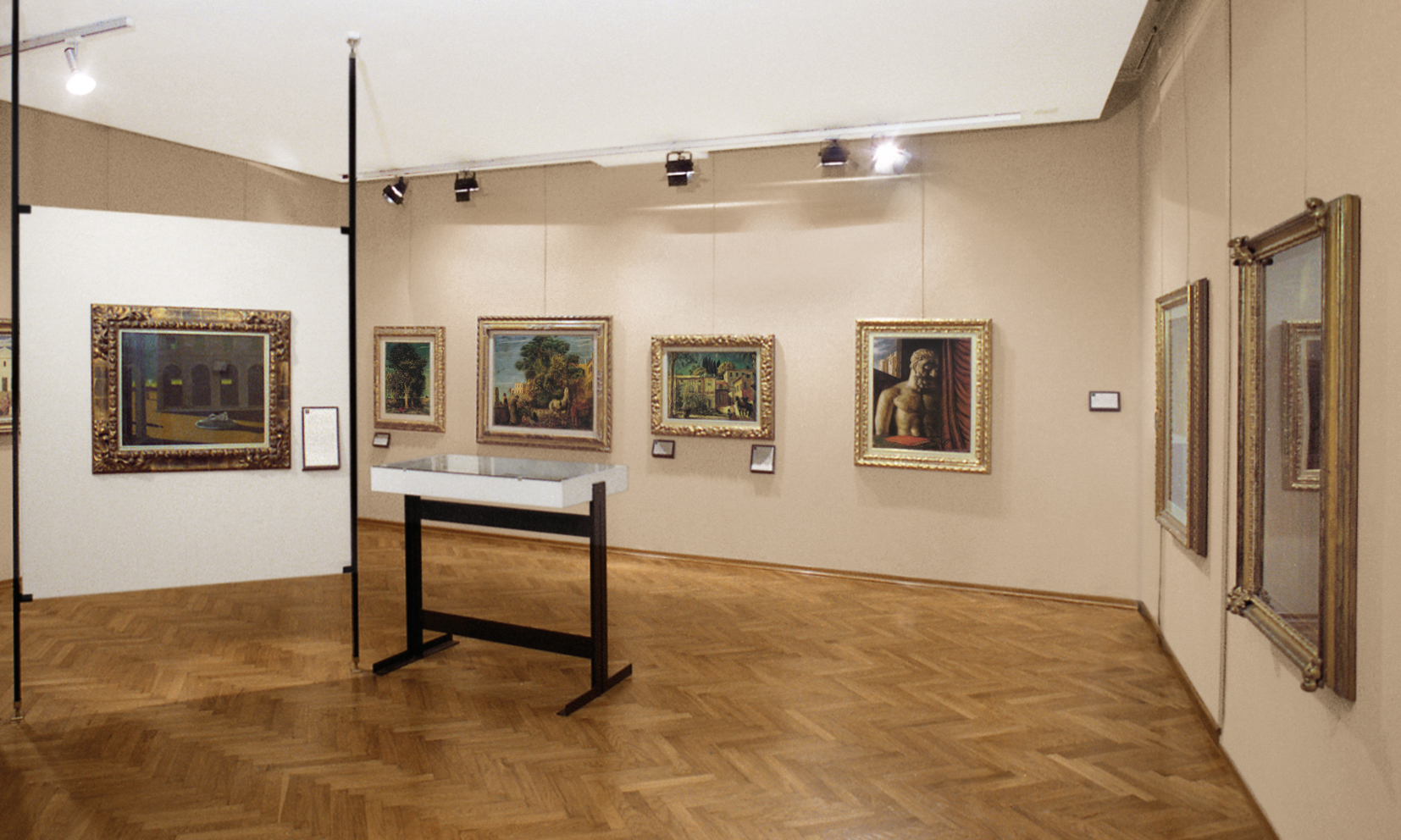
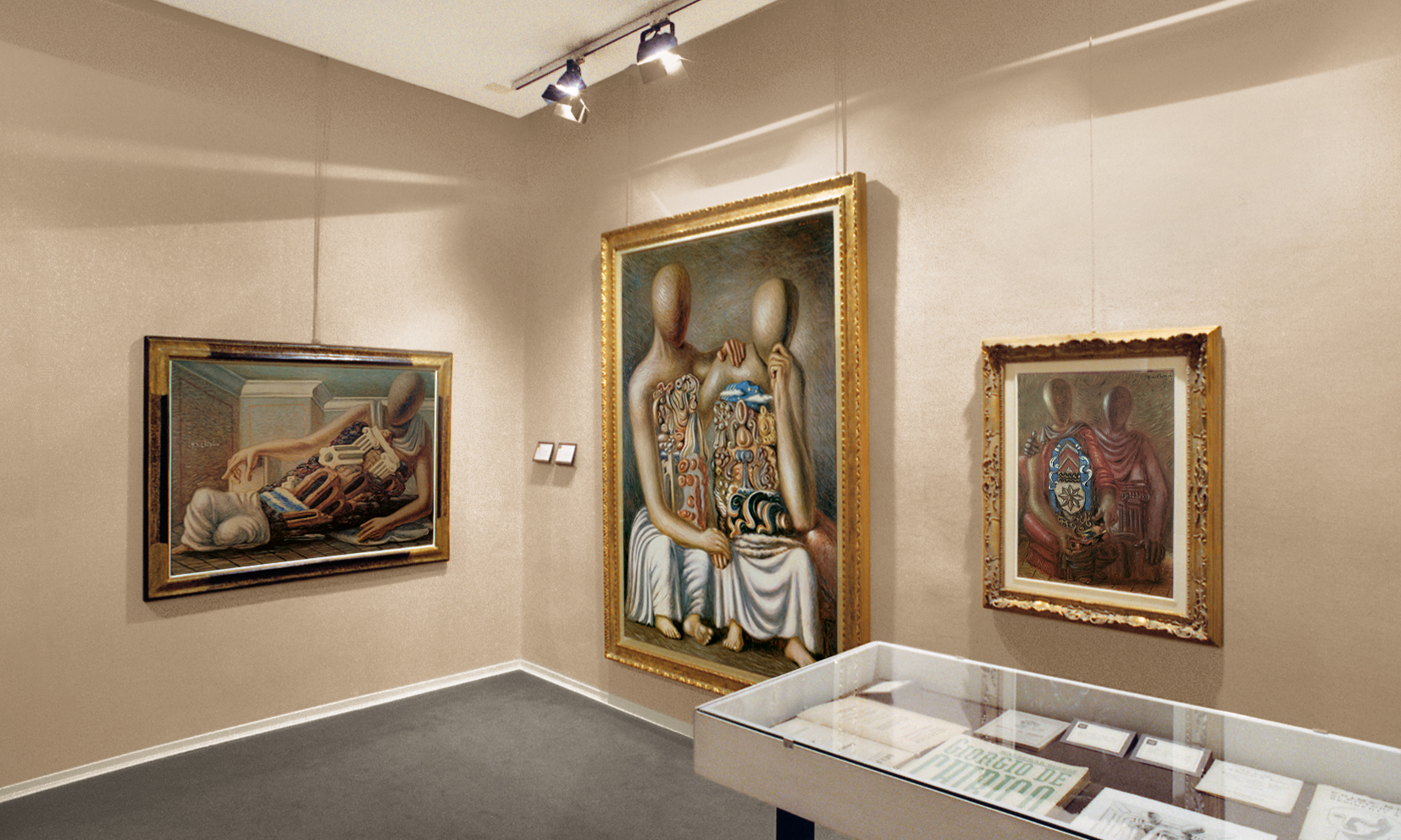
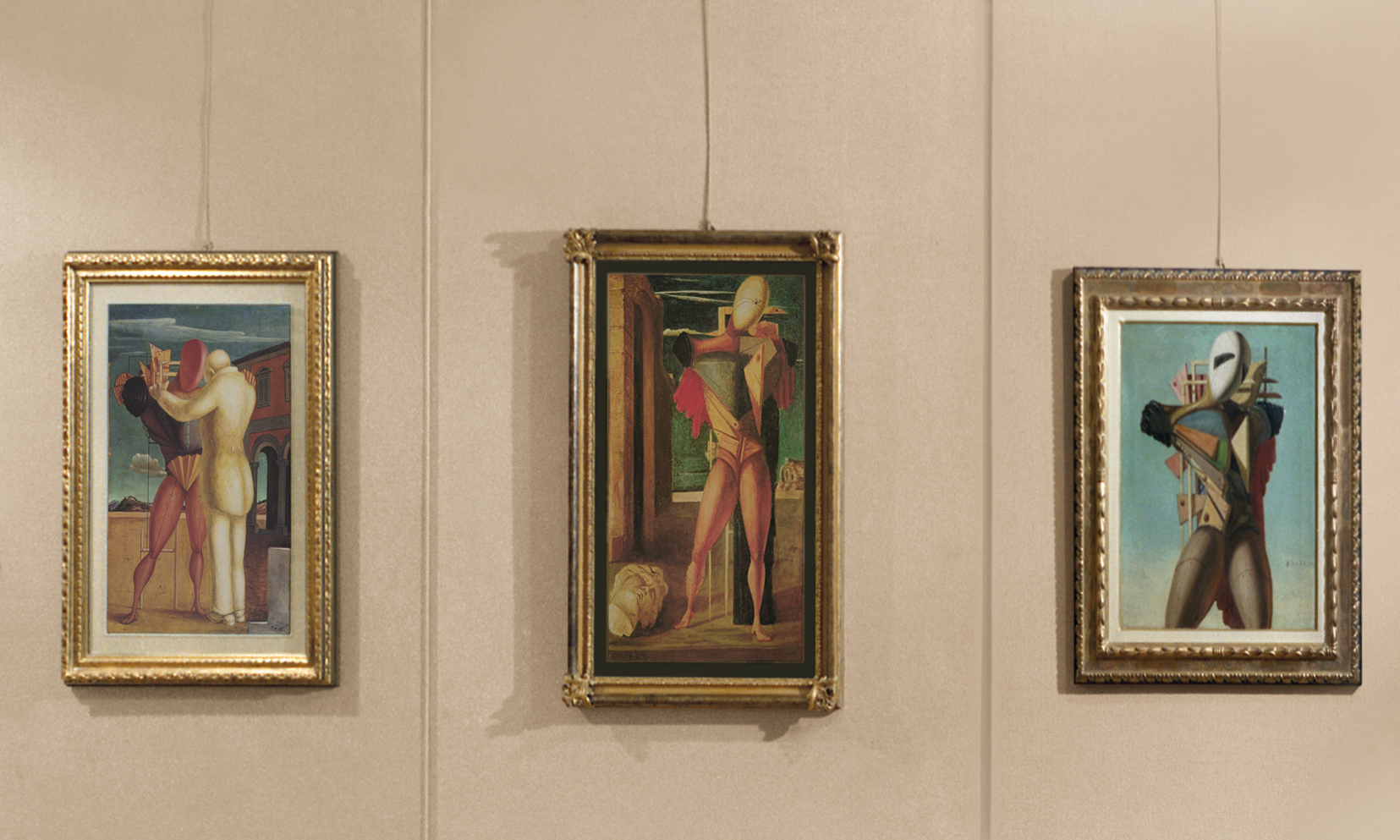
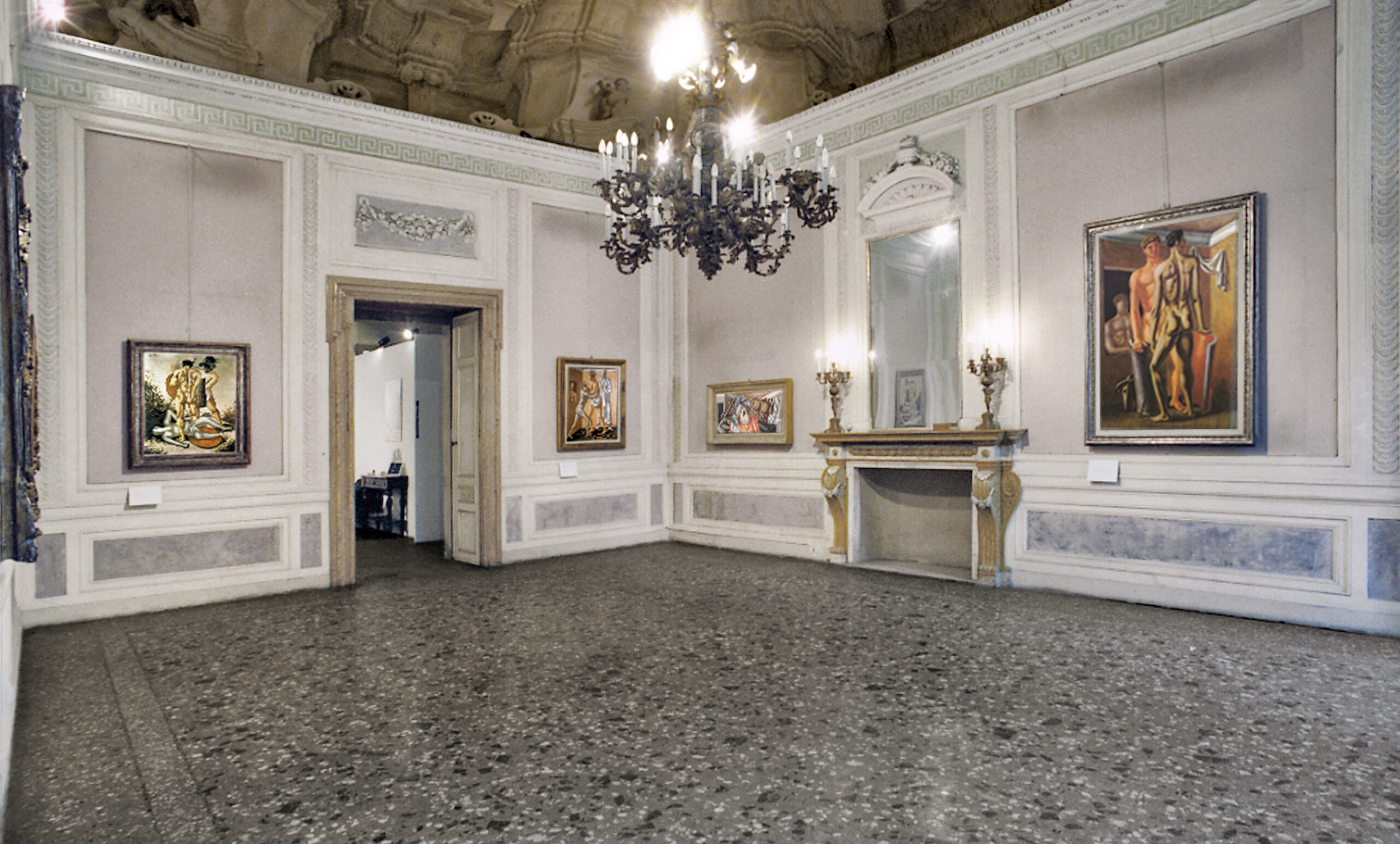
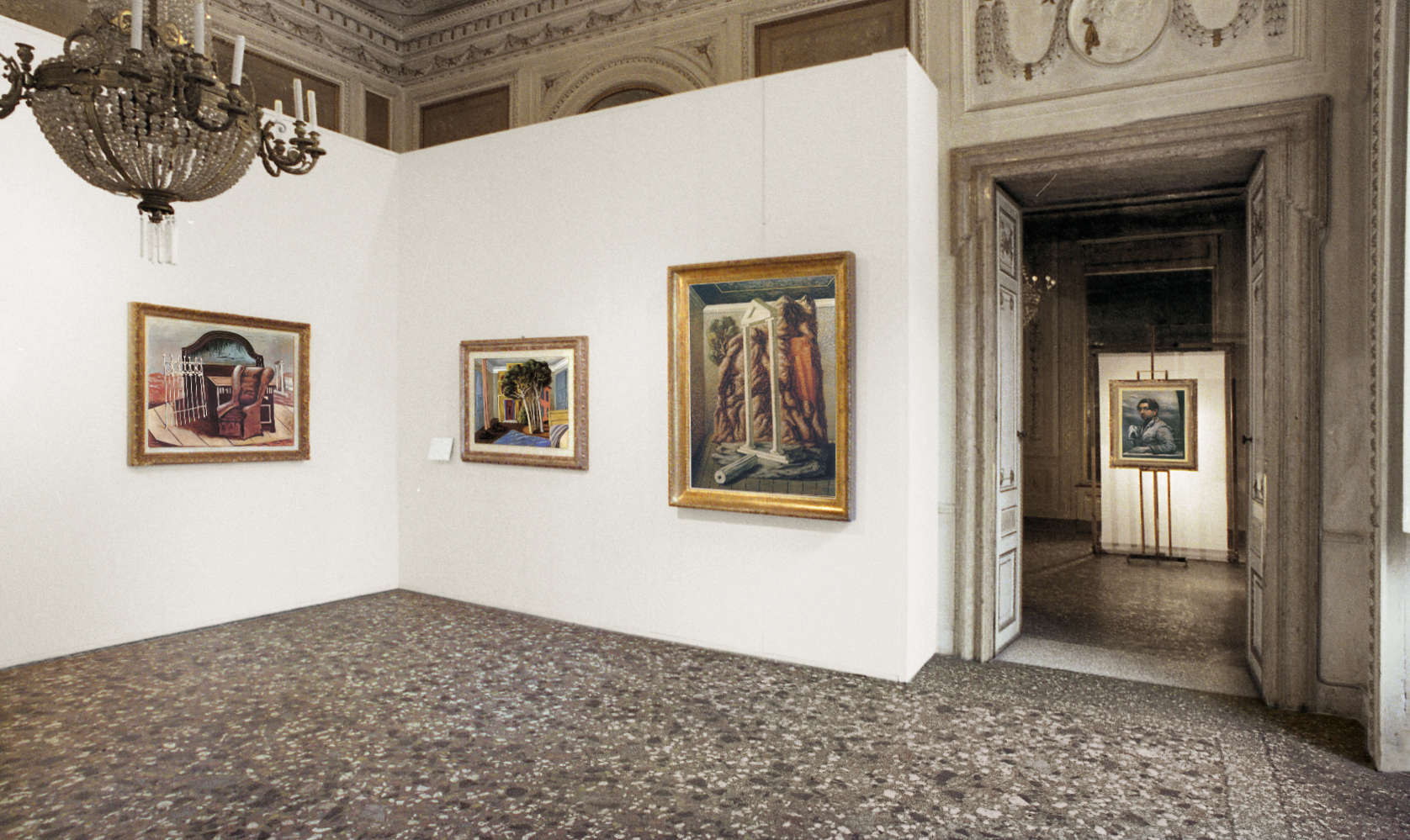
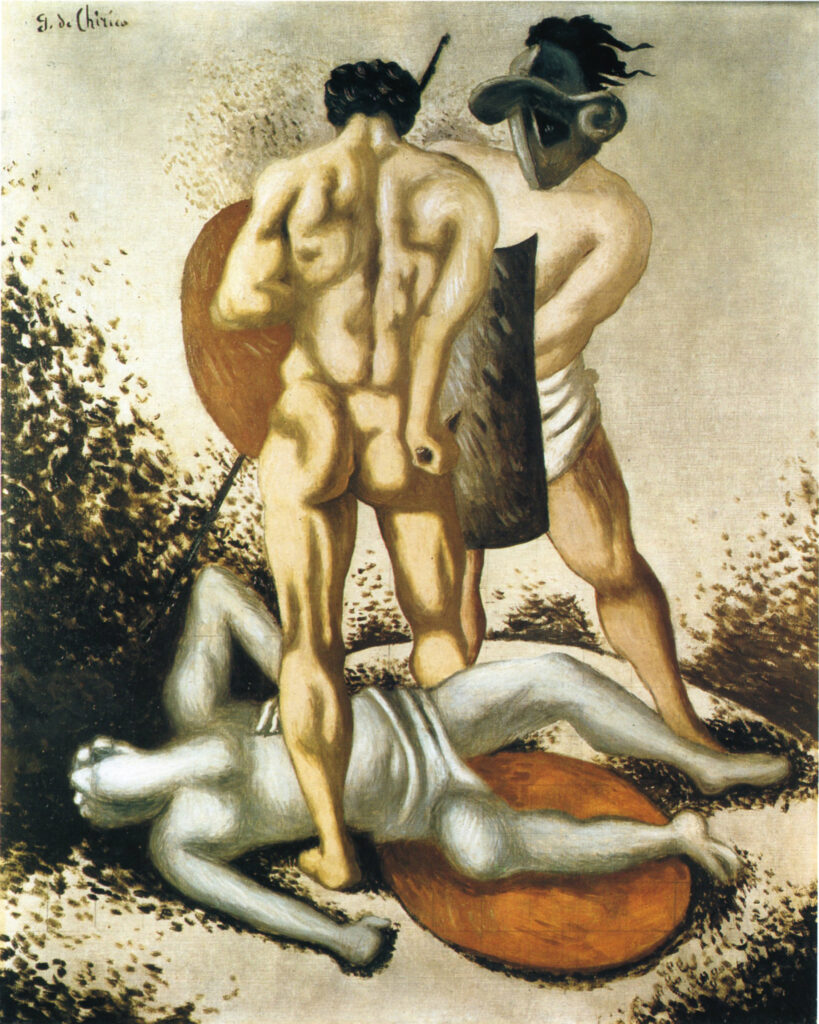
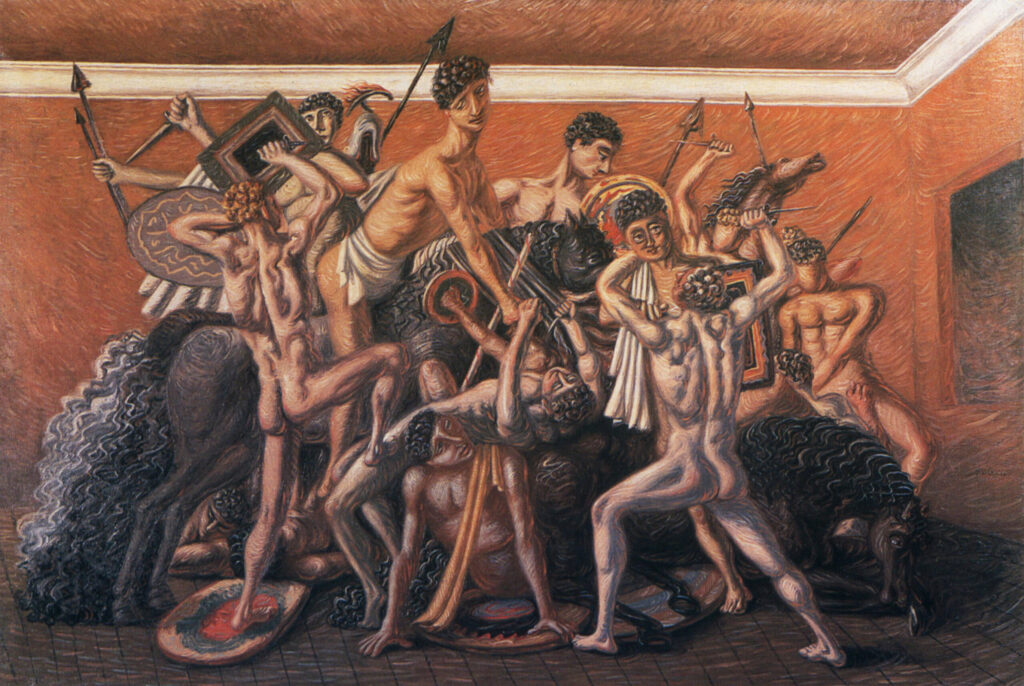
At the request of the Culture and Entertainment Department of the Municipality of Milan, the exhibition, after being presented at the Galleria dello Scudo and the Galleria d’Arte Moderna e Contemporanea Palazzo Forti, was transferred to Palazzo Reale, Milan from 7 March to 18 April 1987. For the occasion, a second edition of the catalogue was published, documenting the expansion of the exhibition with 17 additional works, including Gladiator Combat in the Room (Le combat) and Victory (Le triomphe), the two large canvases executed in 1928-1929 for the Rosenberg house and once again displayed together here.
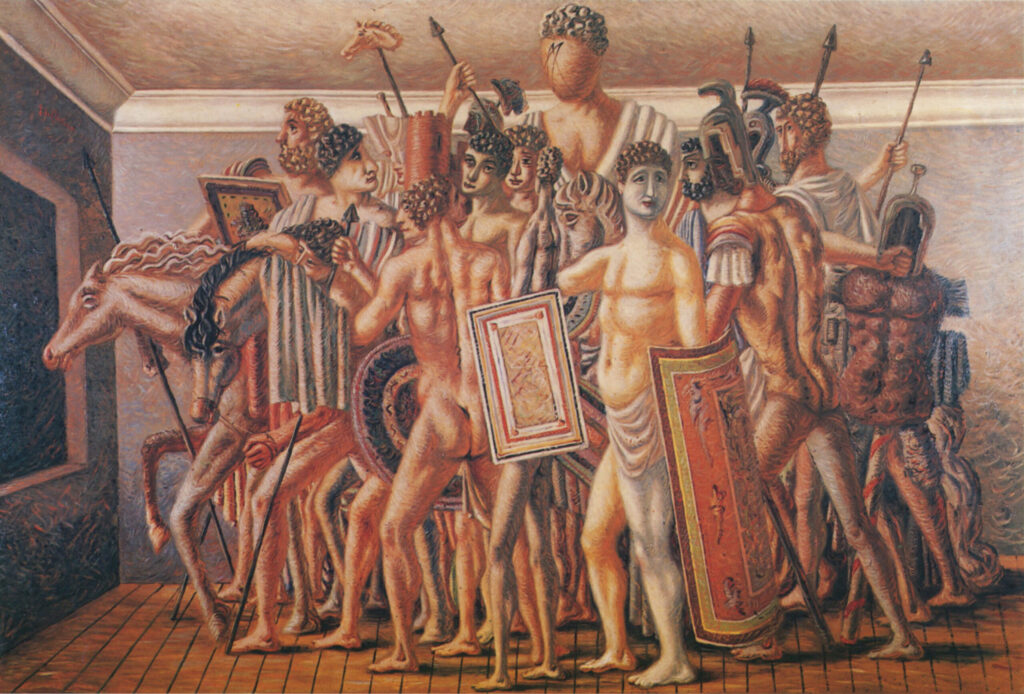
He was born in Volos in 1888 and moved to Germany in 1906, to Munich. Here he began attending the Academy of Fine Arts and studied the work of Böcklin and Klinger; he is interested in philosophy and studies Nietzsche, Schopenhauer and Weininger. In 1910 Giorgio de Chirico returned to Italy where he was struck by the deserted squares and monumental architecture immersed in the warm summer light.